

From the stars of La Palma to totality
Some journeys are built around an extraordinary destination. Others are created around a once-in-a-lifetime event.
This expedition brings both together.
Over ten unforgettable days, we will travel through two very different regions of Spain connected by one common thread: the sky.
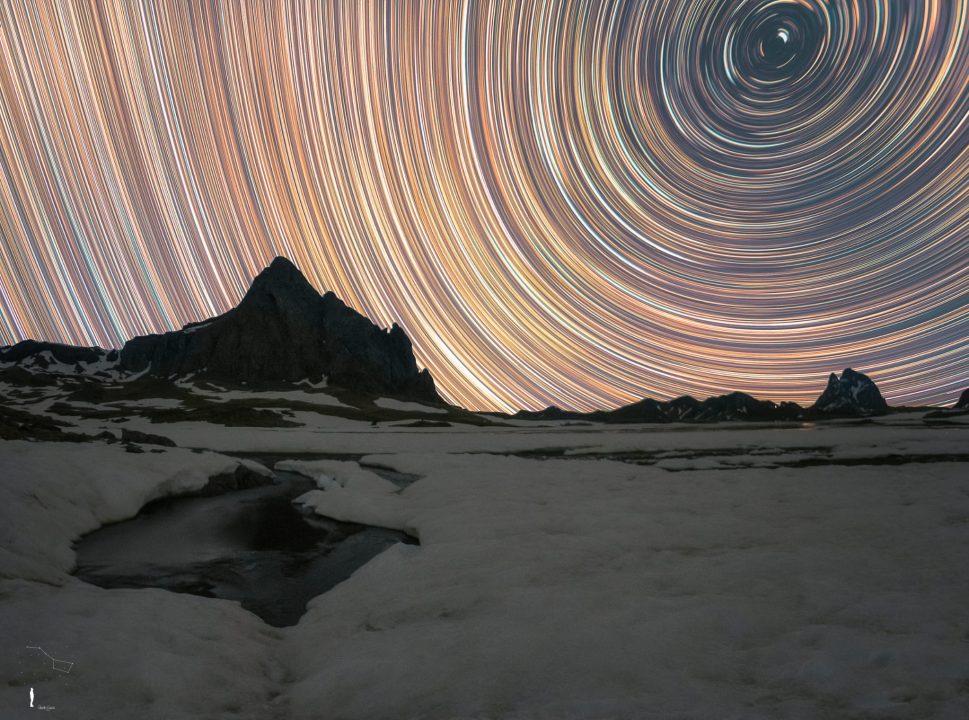
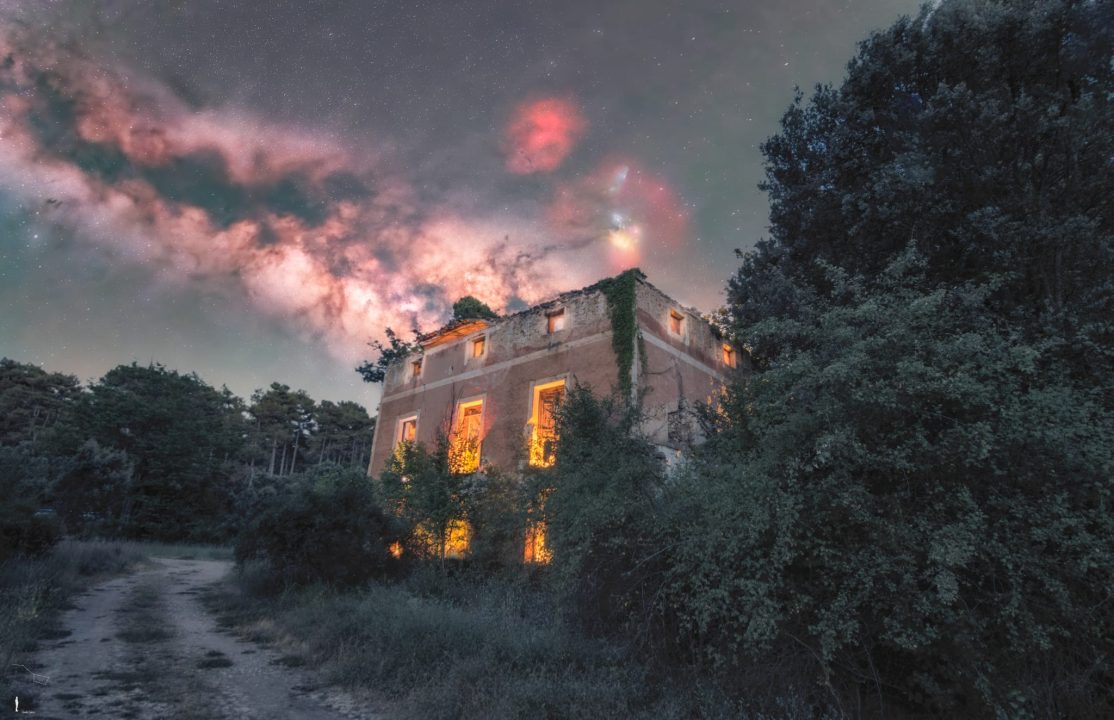
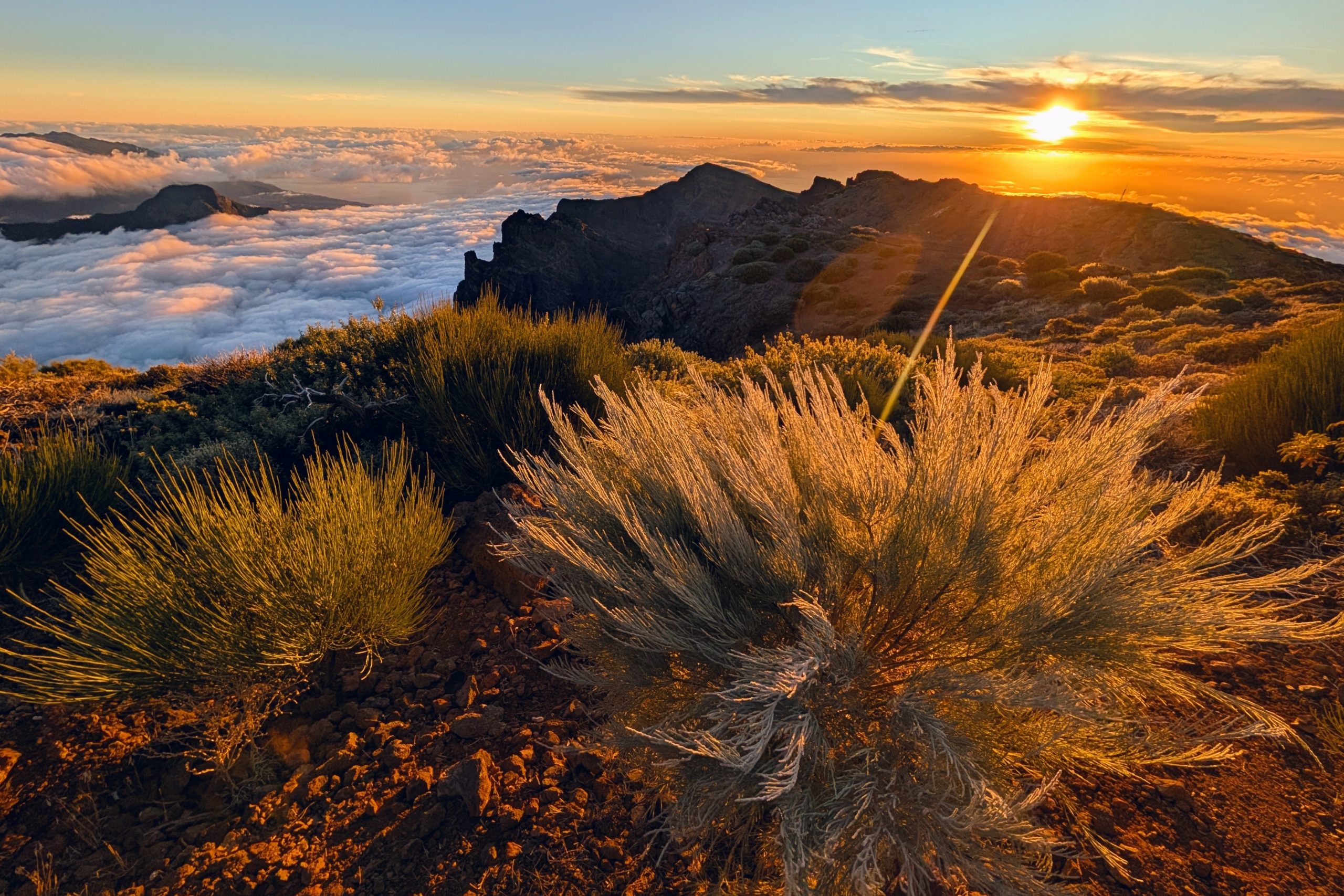
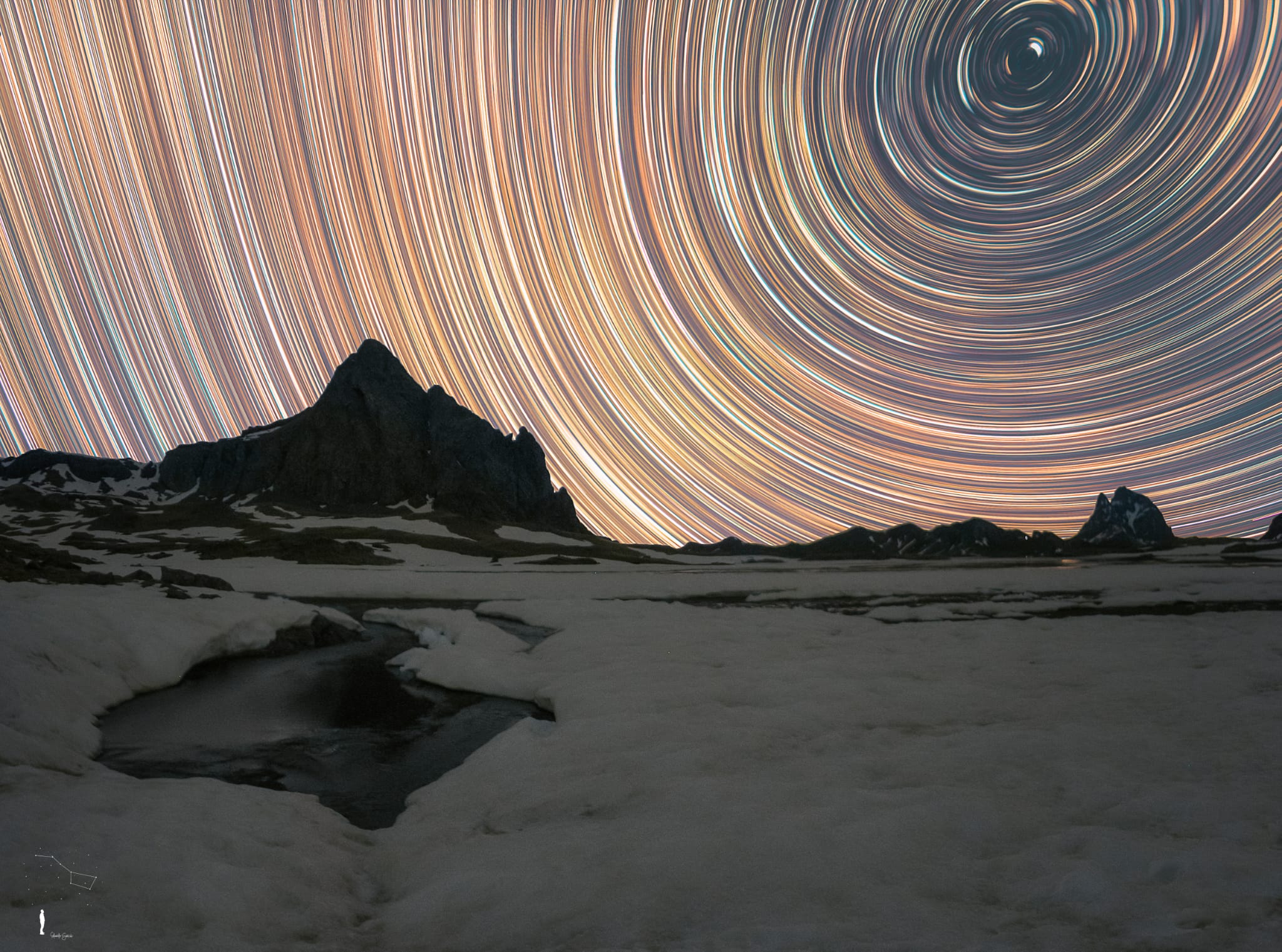
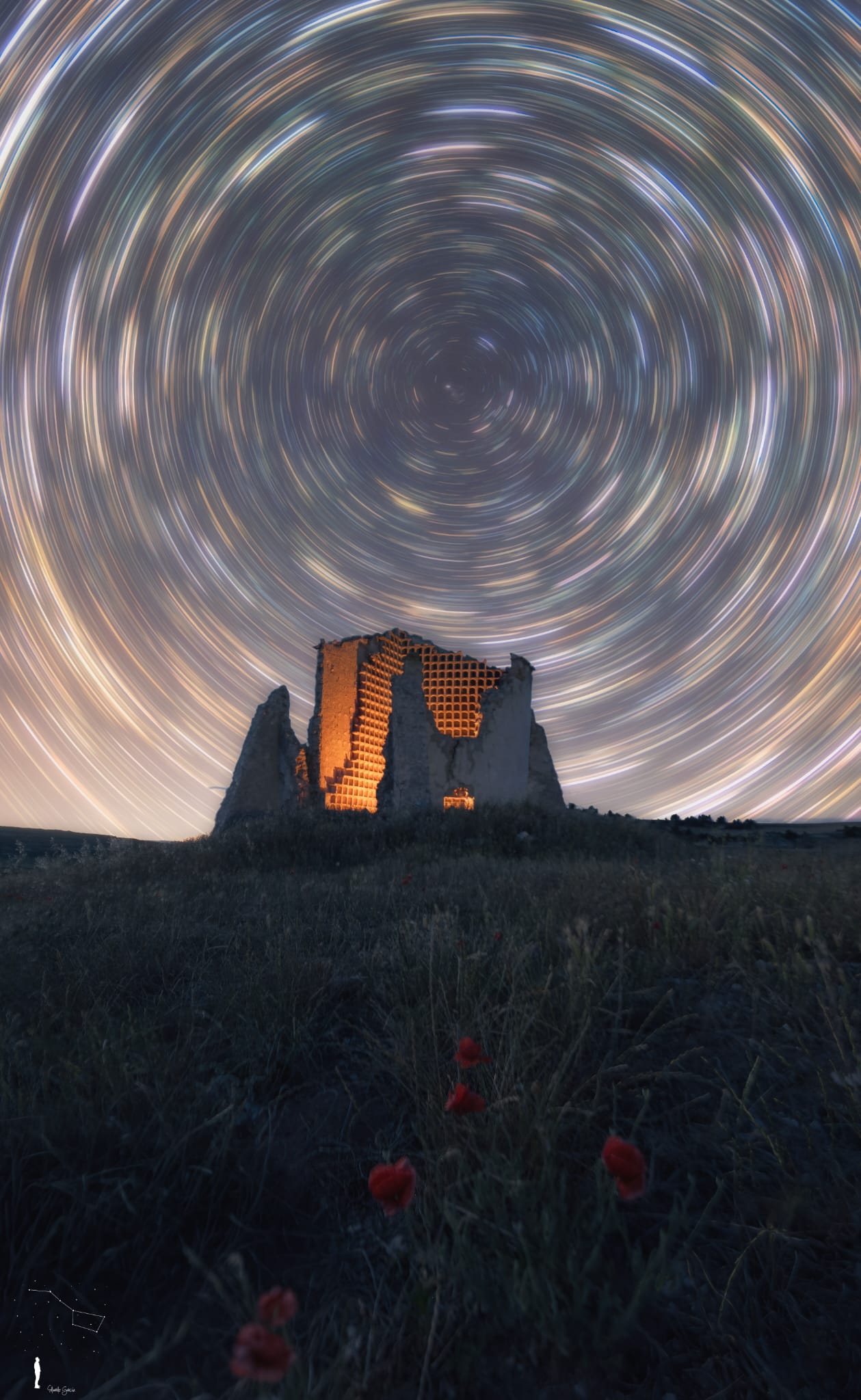
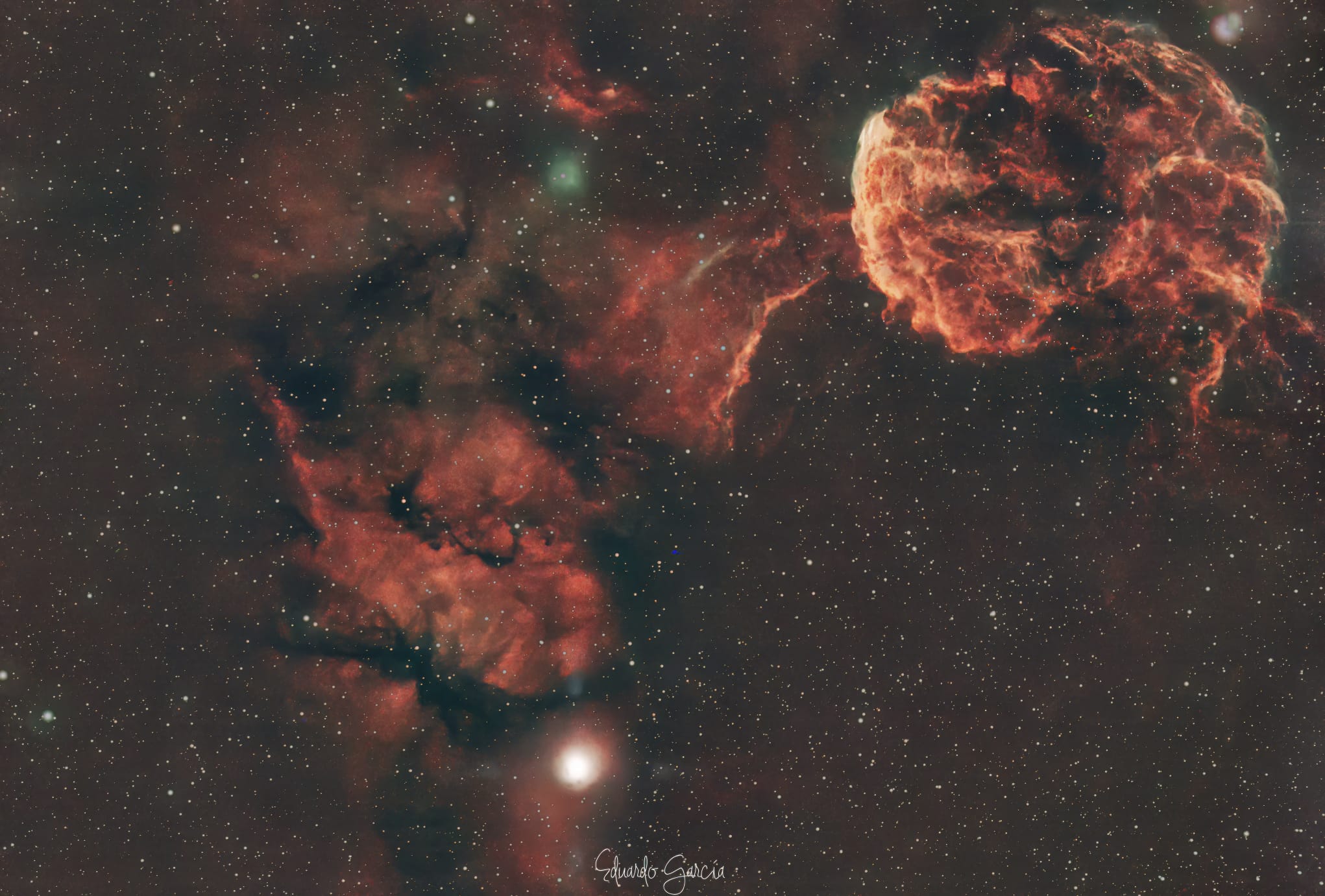
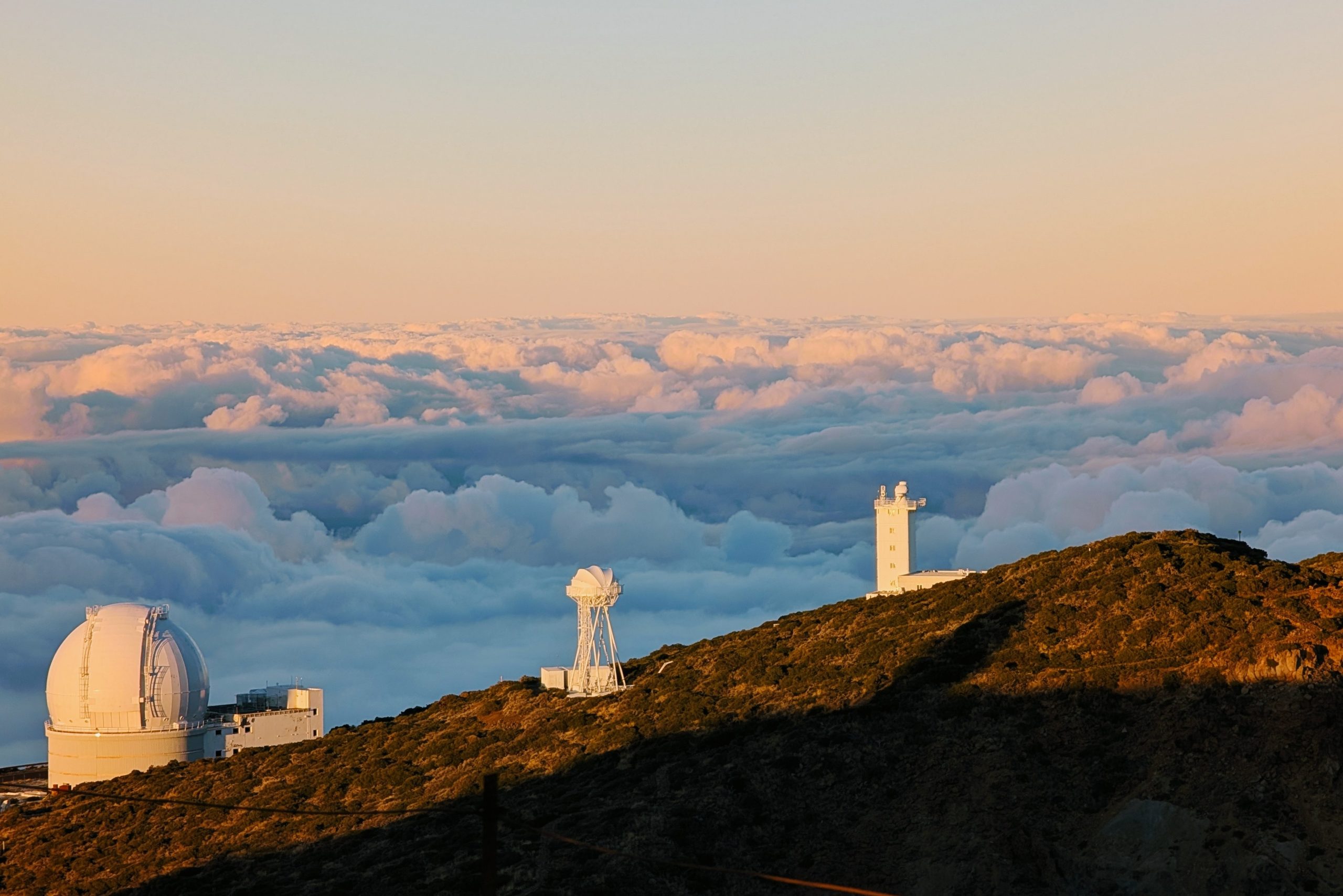
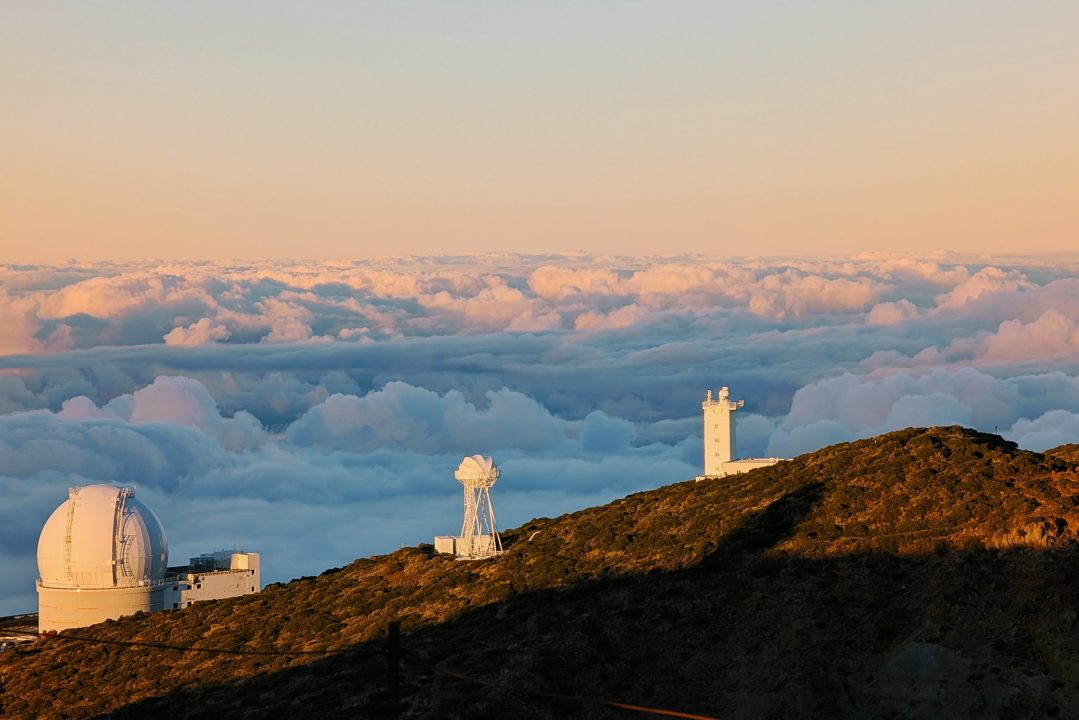
Our journey begins on La Palma, an island with an extraordinary relationship with astronomy. Its volcanic mountains, exceptional atmospheric conditions, protected dark skies and internationally renowned observatories have made its highlands one of the finest places on Earth to observe and photograph the night sky.
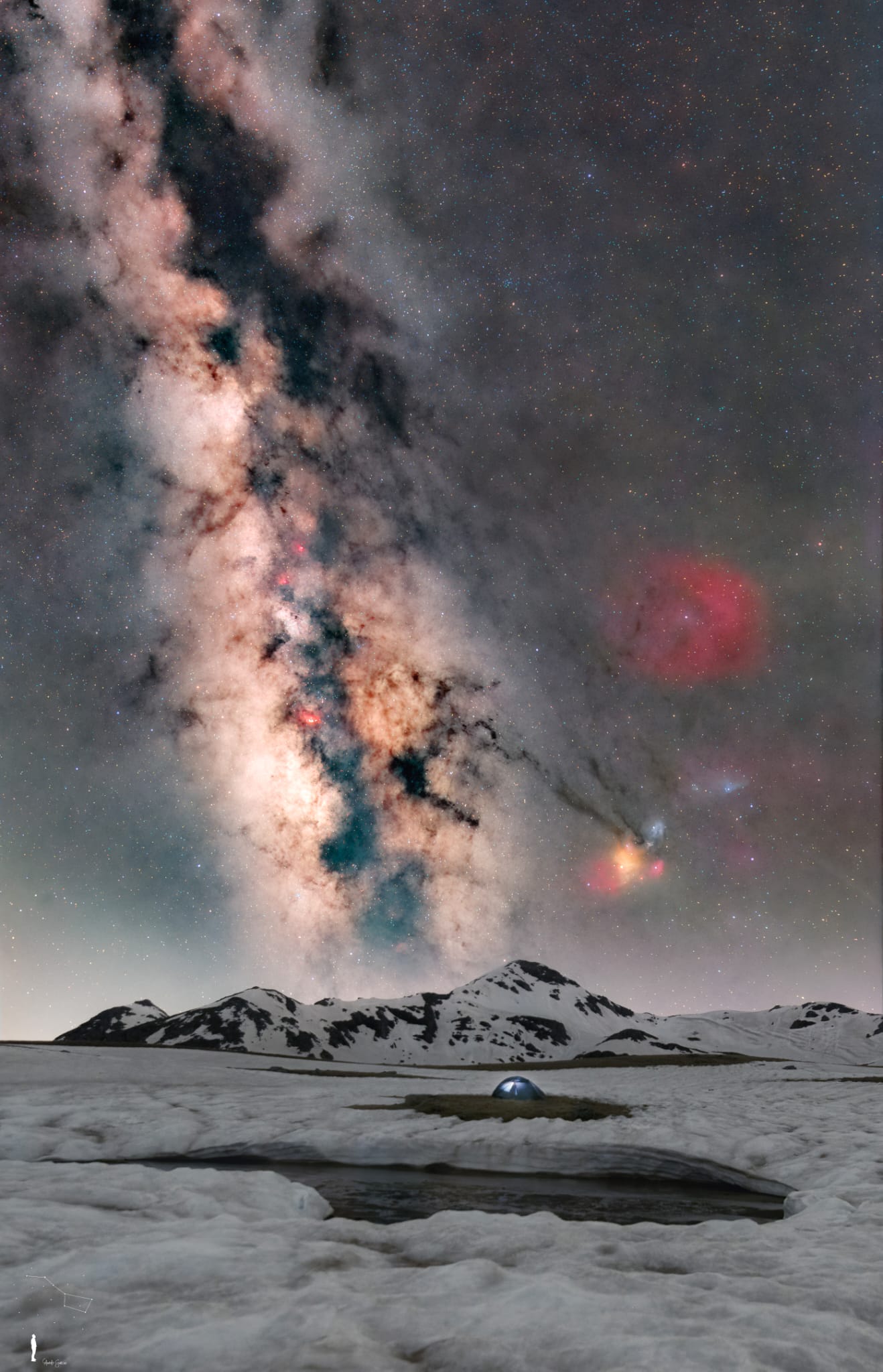
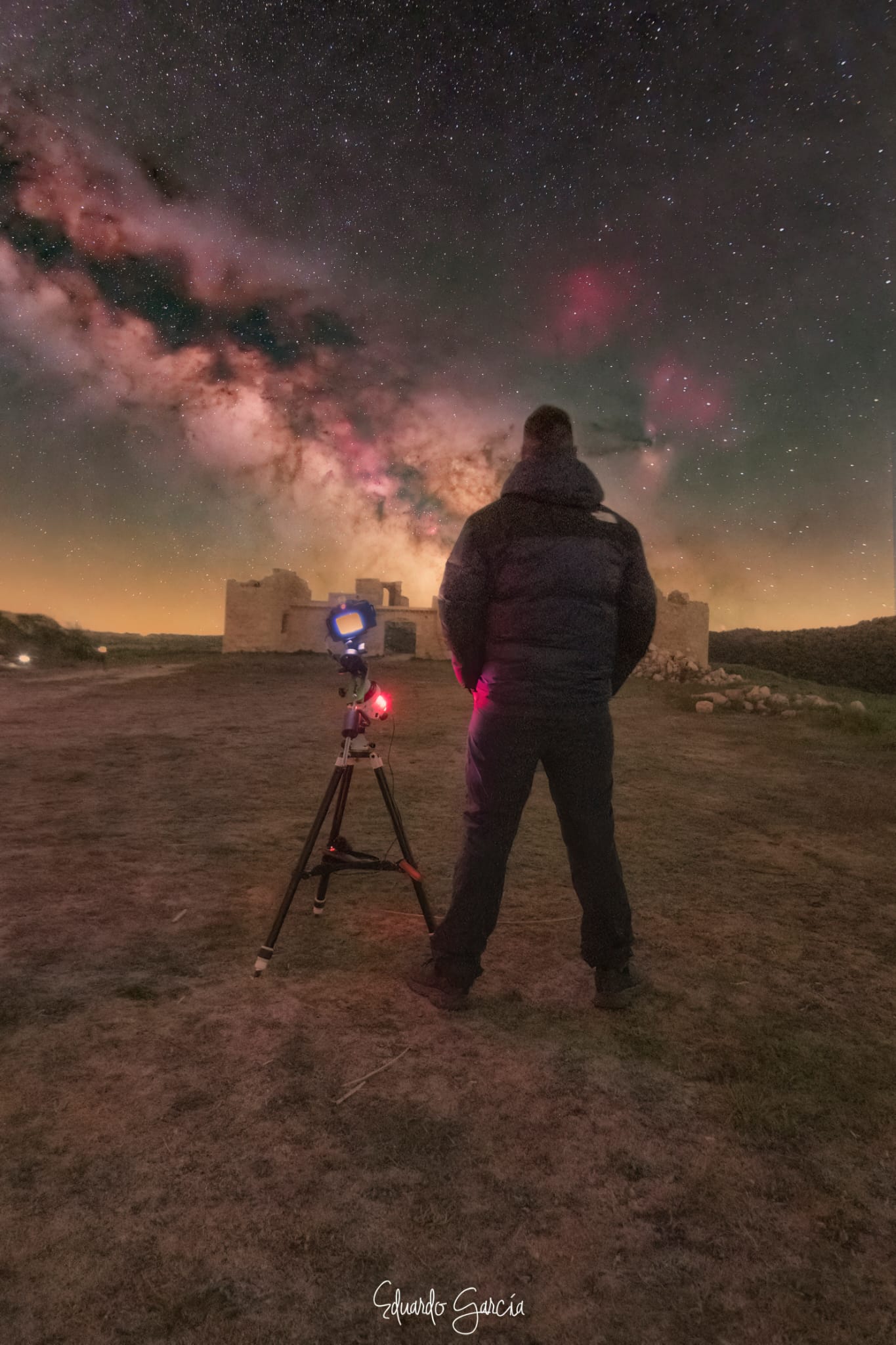
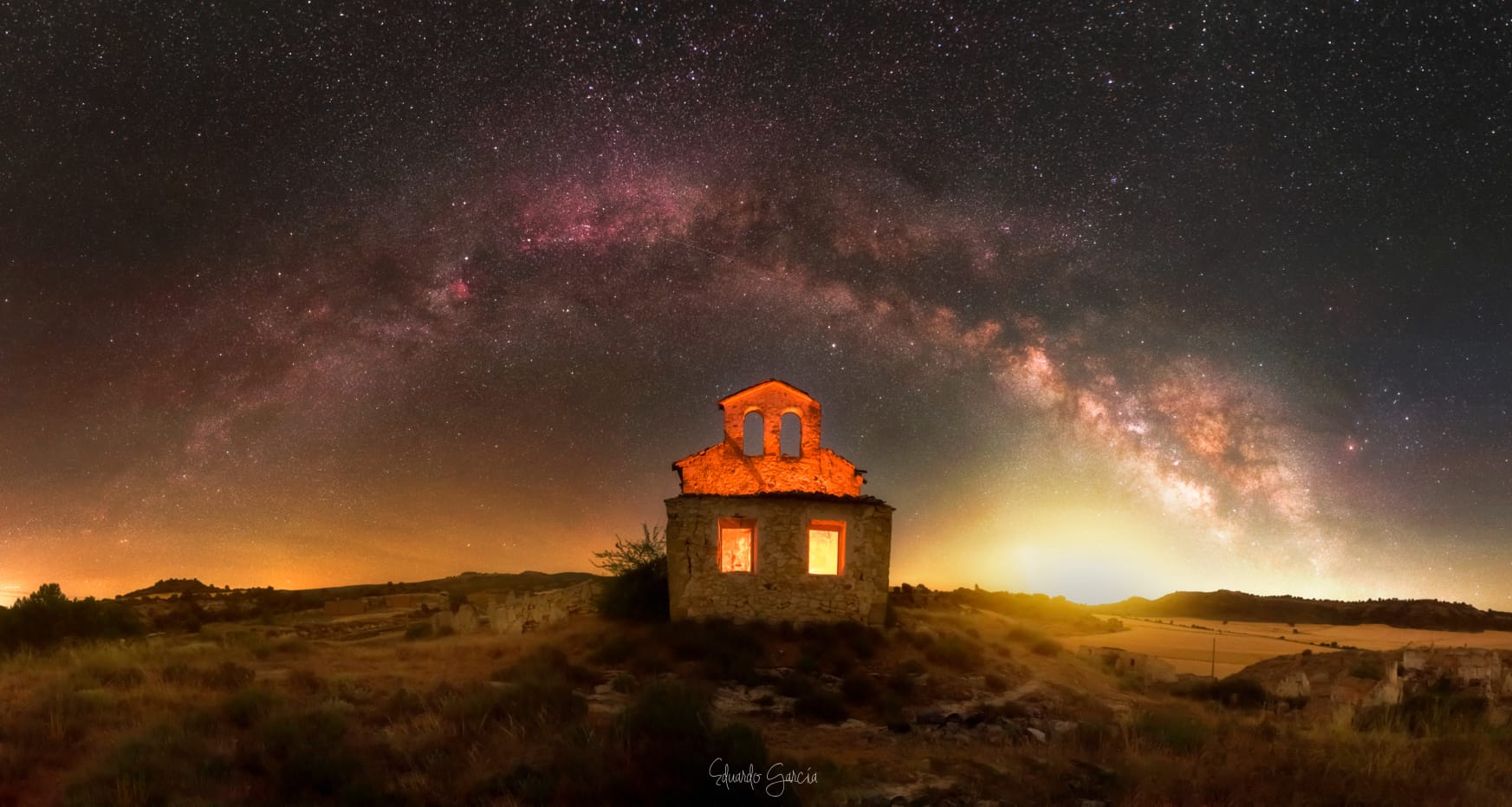
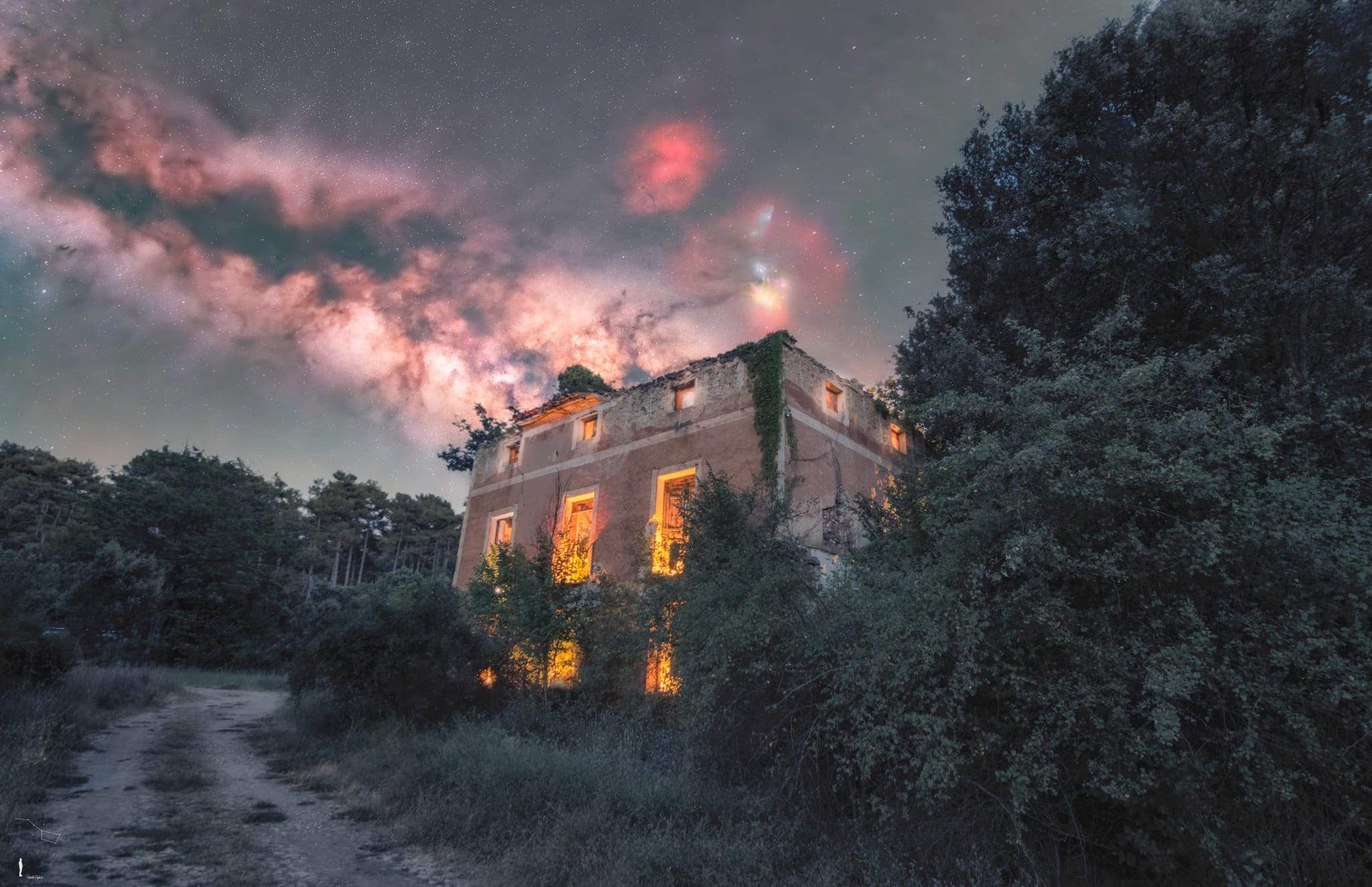
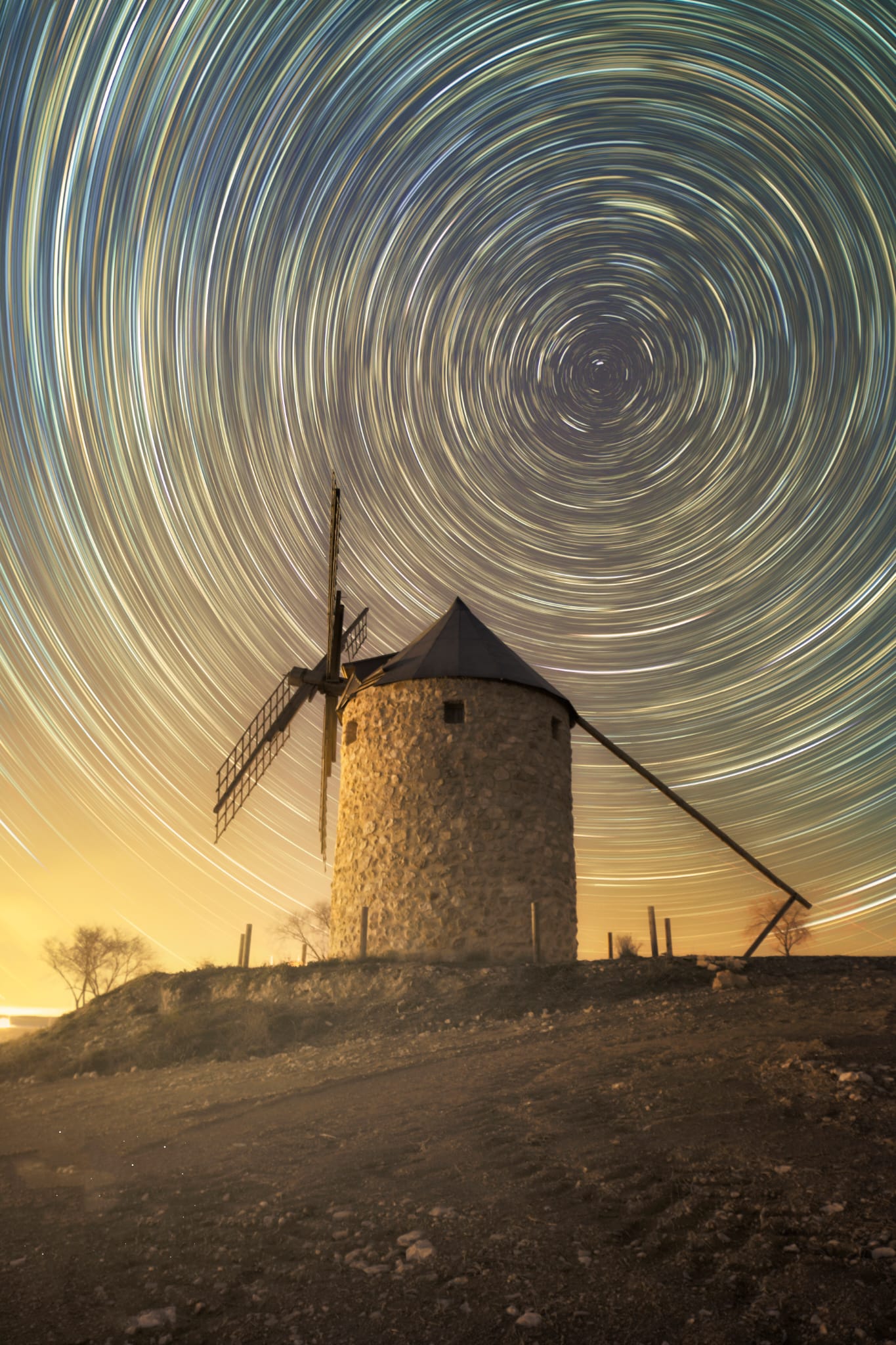
Here we will spend several nights dedicated to astrophotography, working with the Milky Way and deep-sky subjects while developing the techniques required to photograph the night sky under truly exceptional conditions.
But La Palma will offer us much more than its stars.
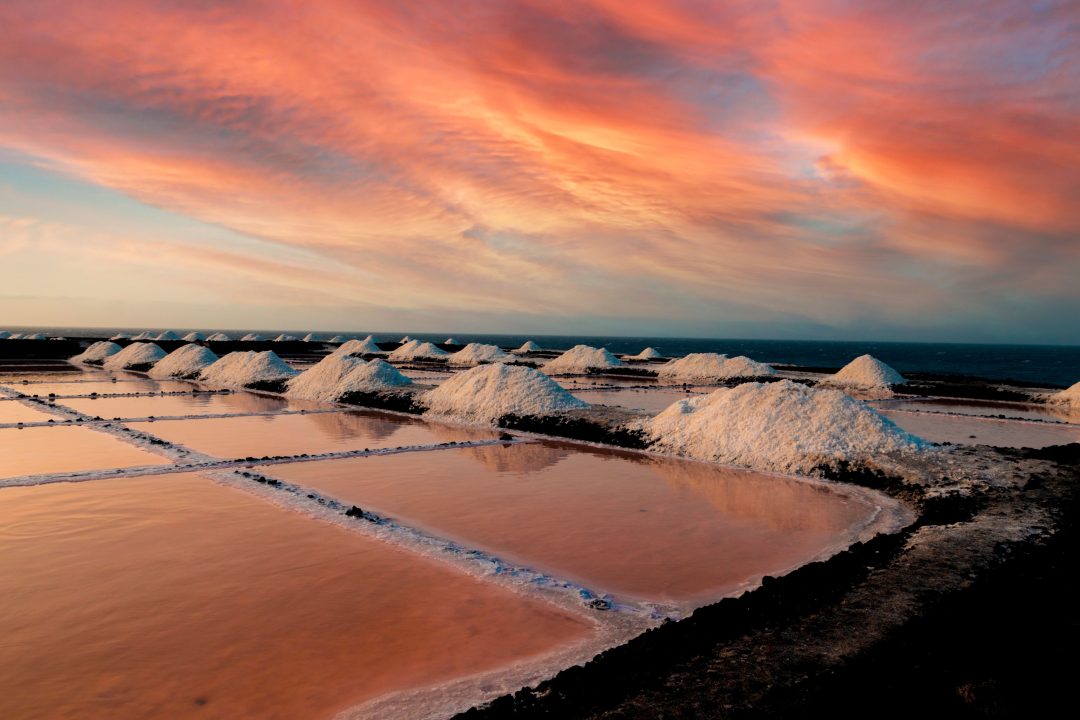
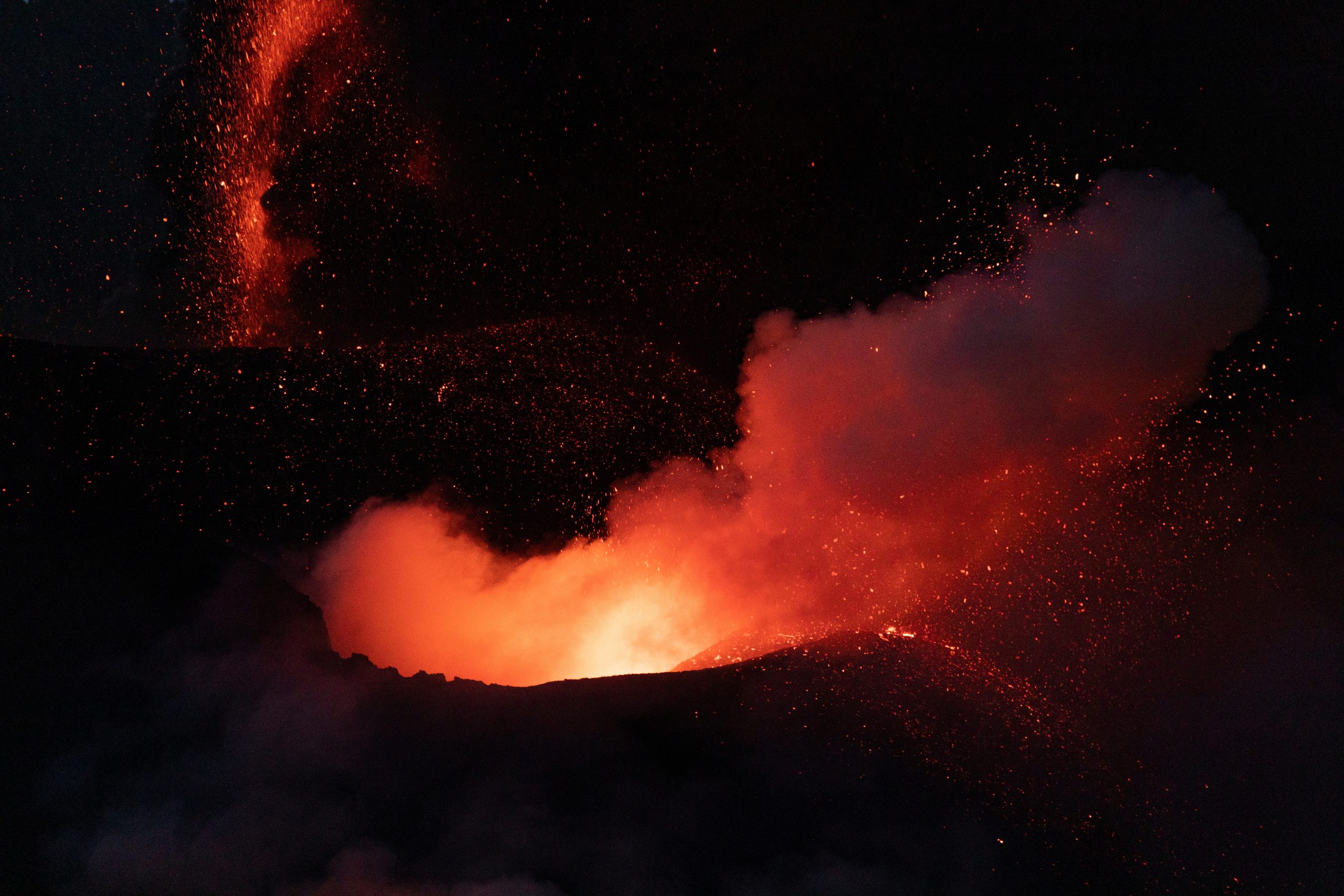
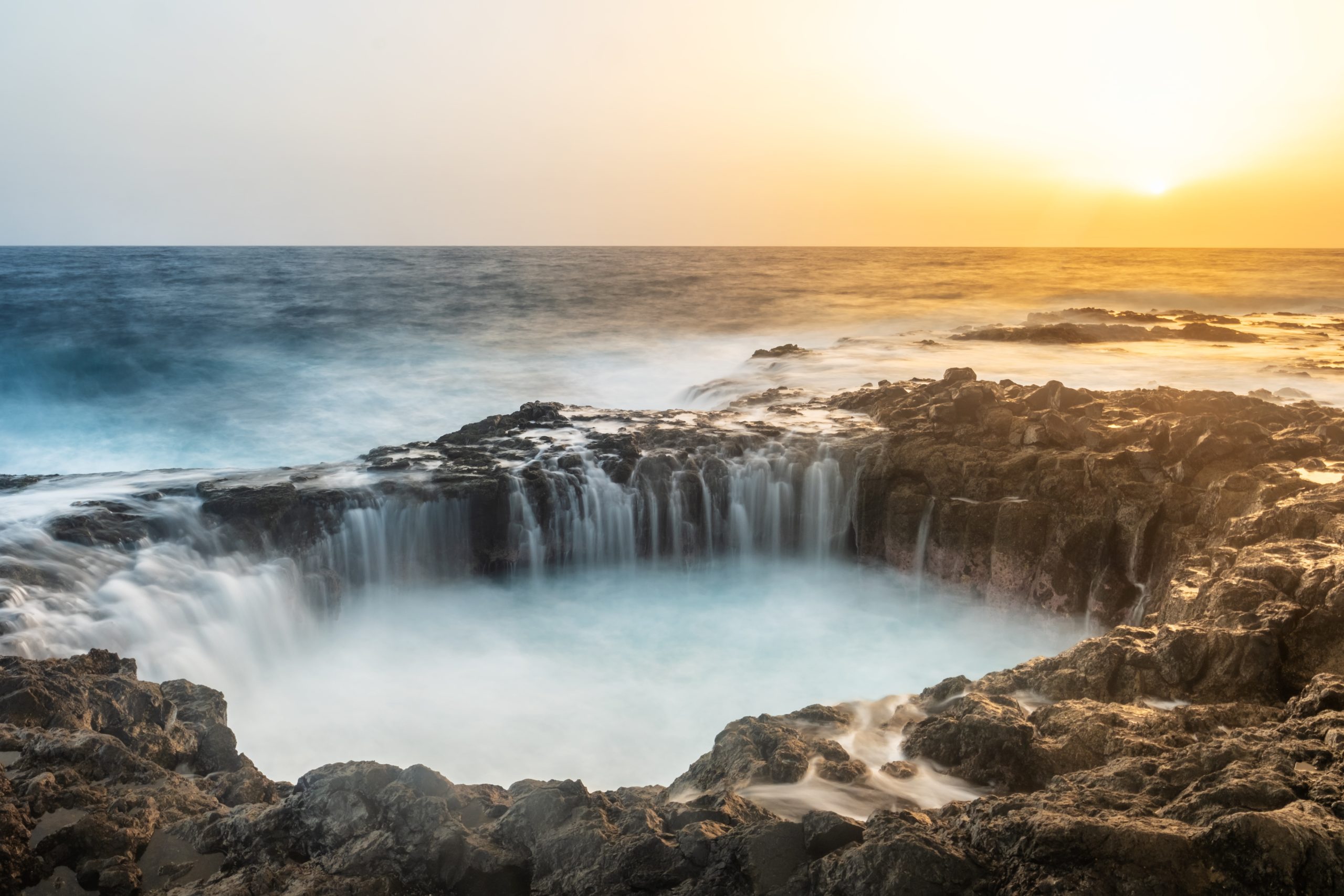
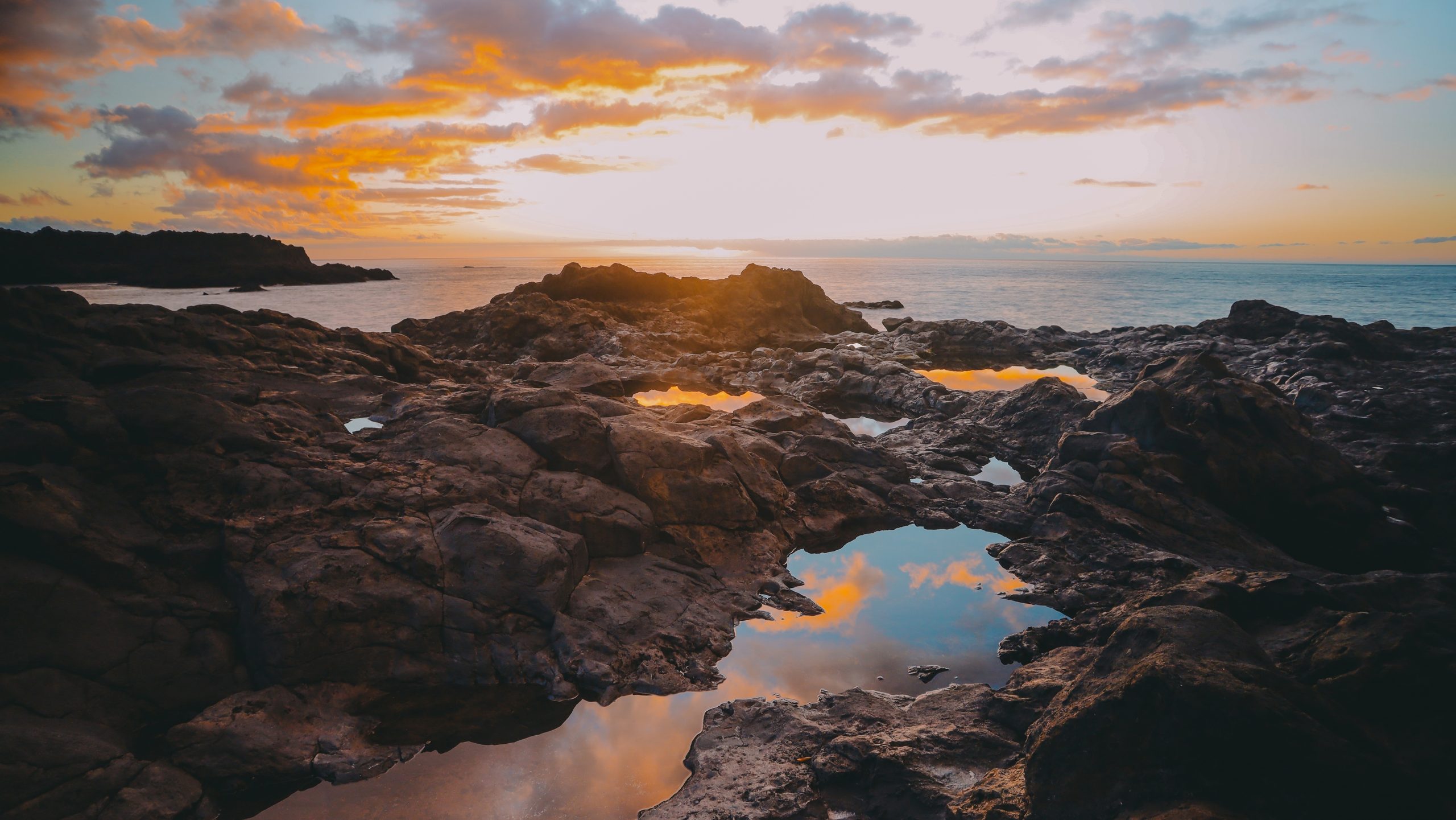
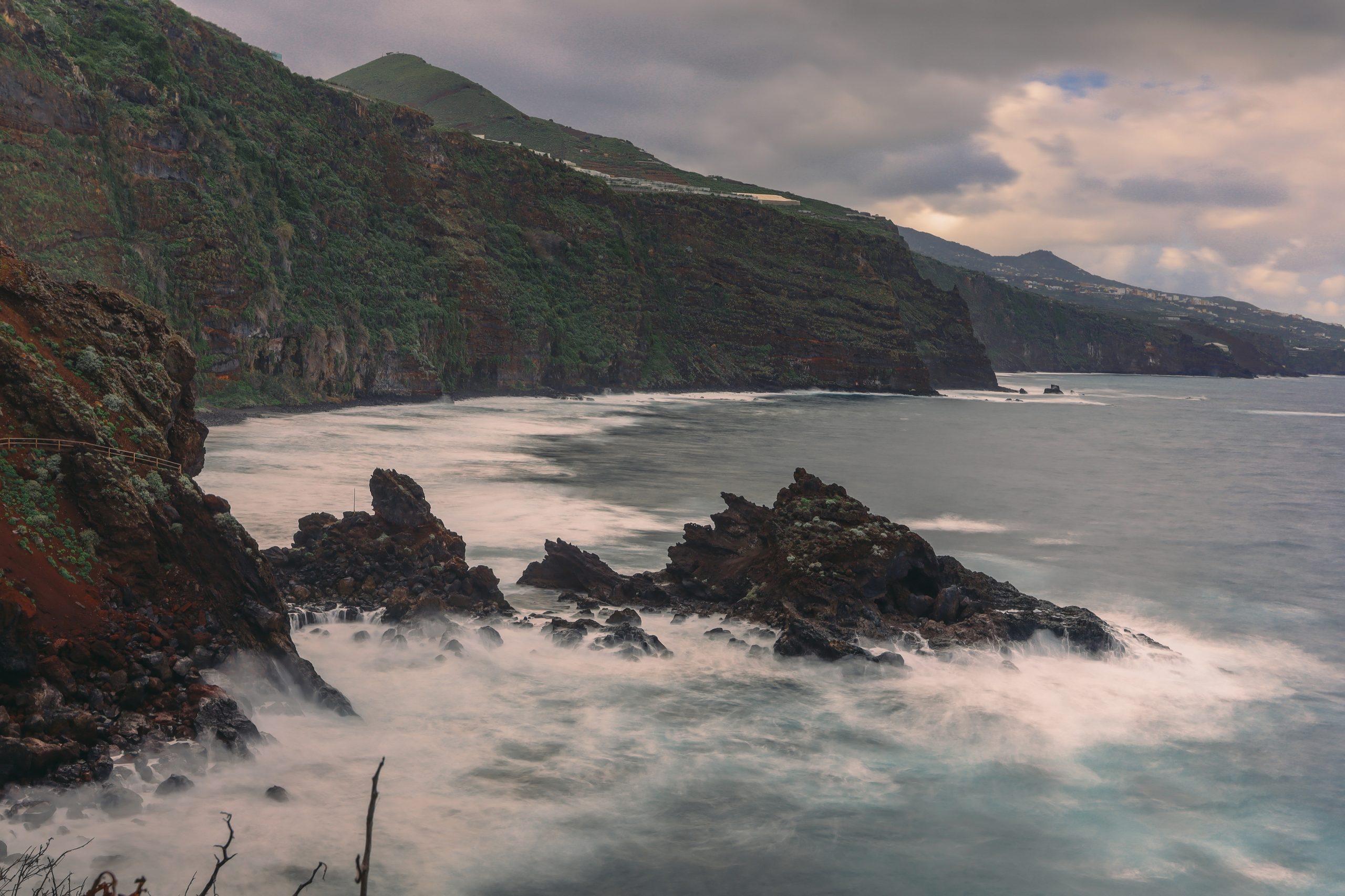
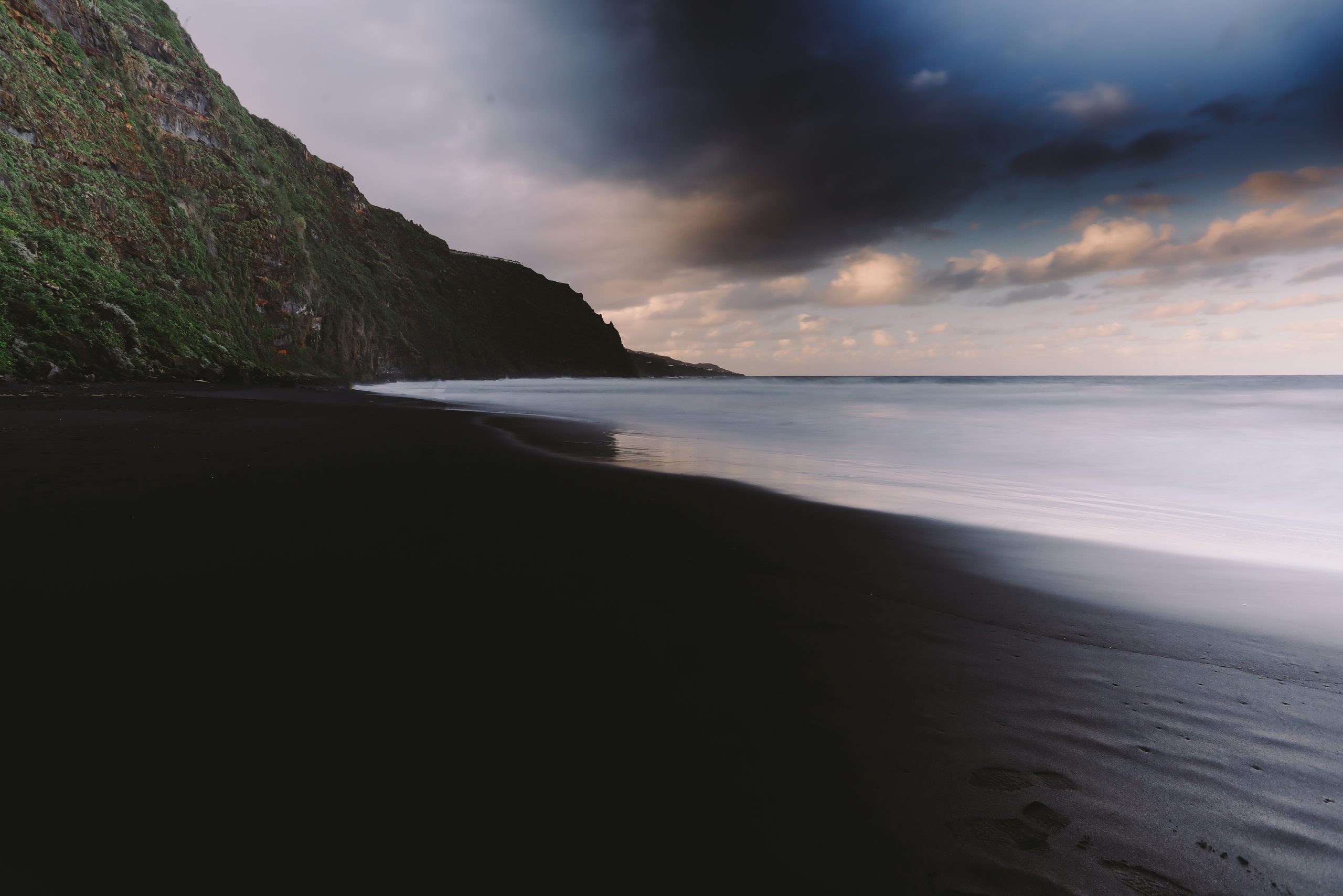
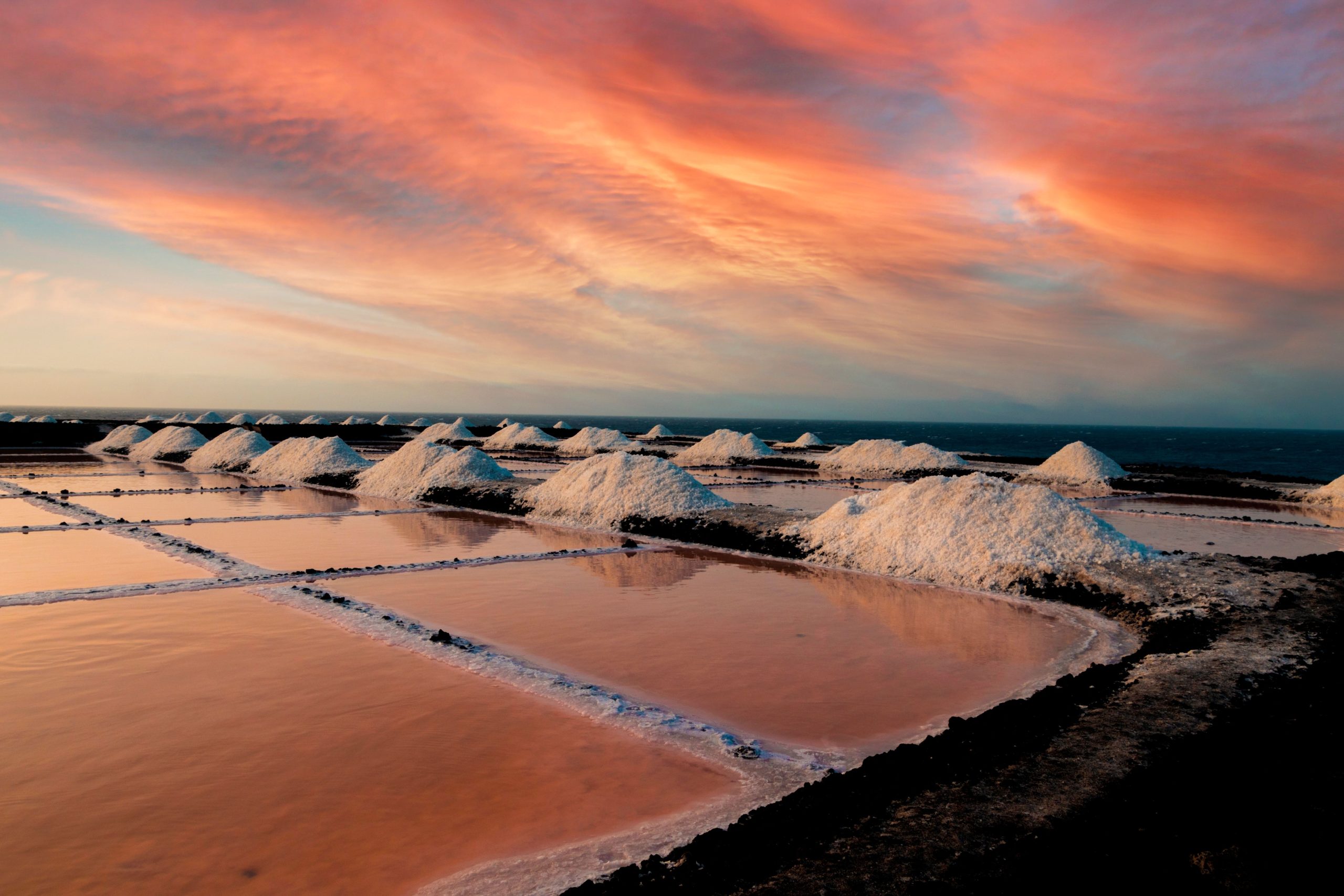
During the day we will explore volcanic landscapes, forests, black-sand coastlines, salt pans, dramatic viewpoints and some of the most distinctive scenery in the Canary Islands.
It will be an immersion in an island shaped by volcanoes and intimately connected with the universe.
And it will also be the perfect preparation for what comes next.
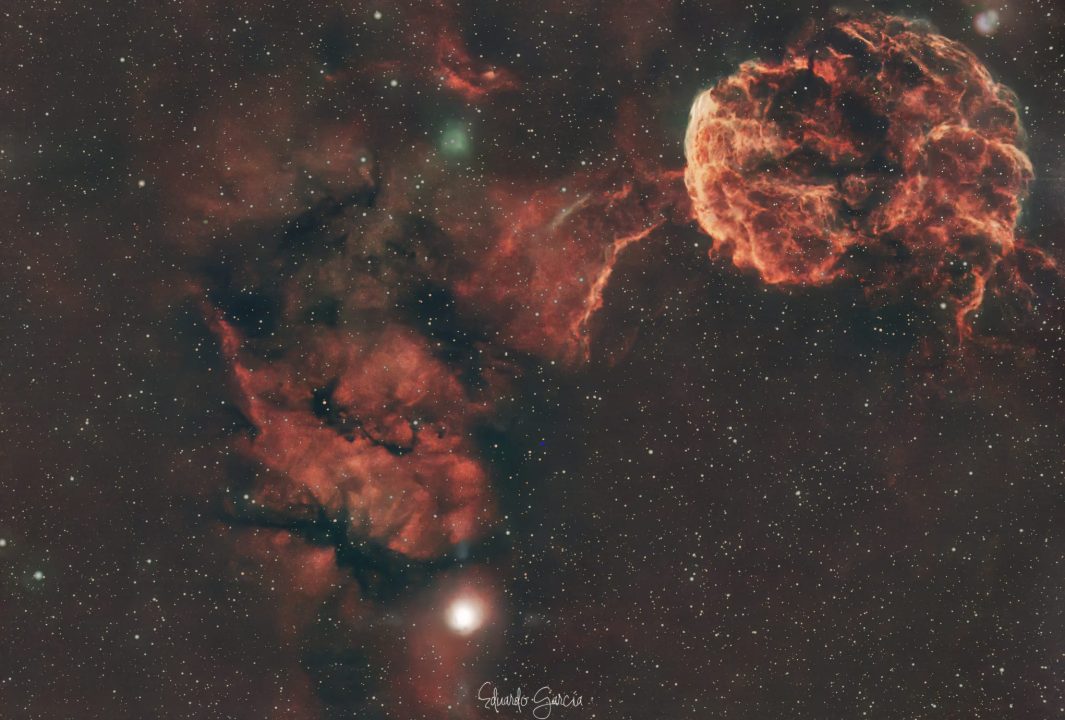
From the Canary Islands we will travel to southern mainland Spain to experience one of the most extraordinary astronomical events a photographer can witness:
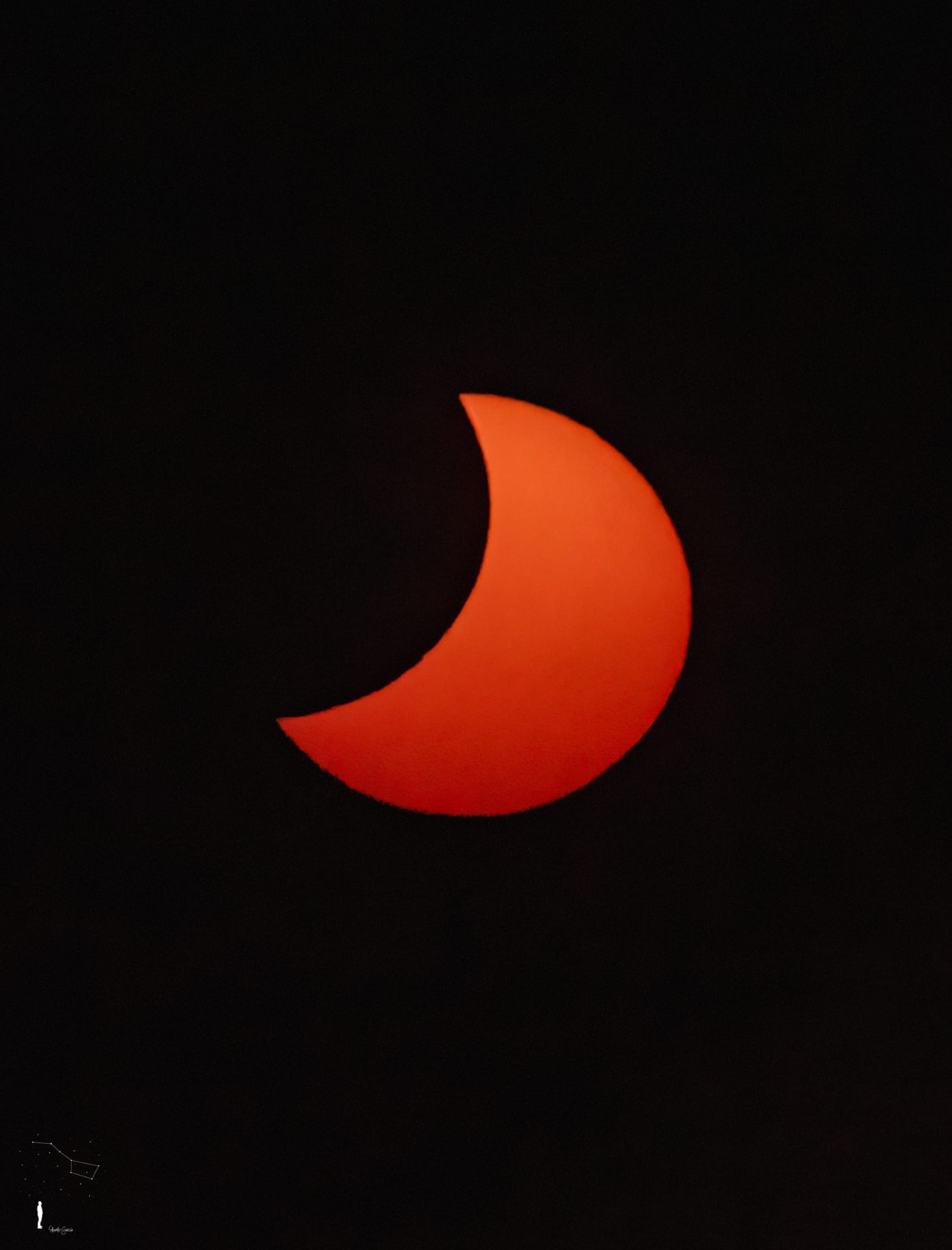
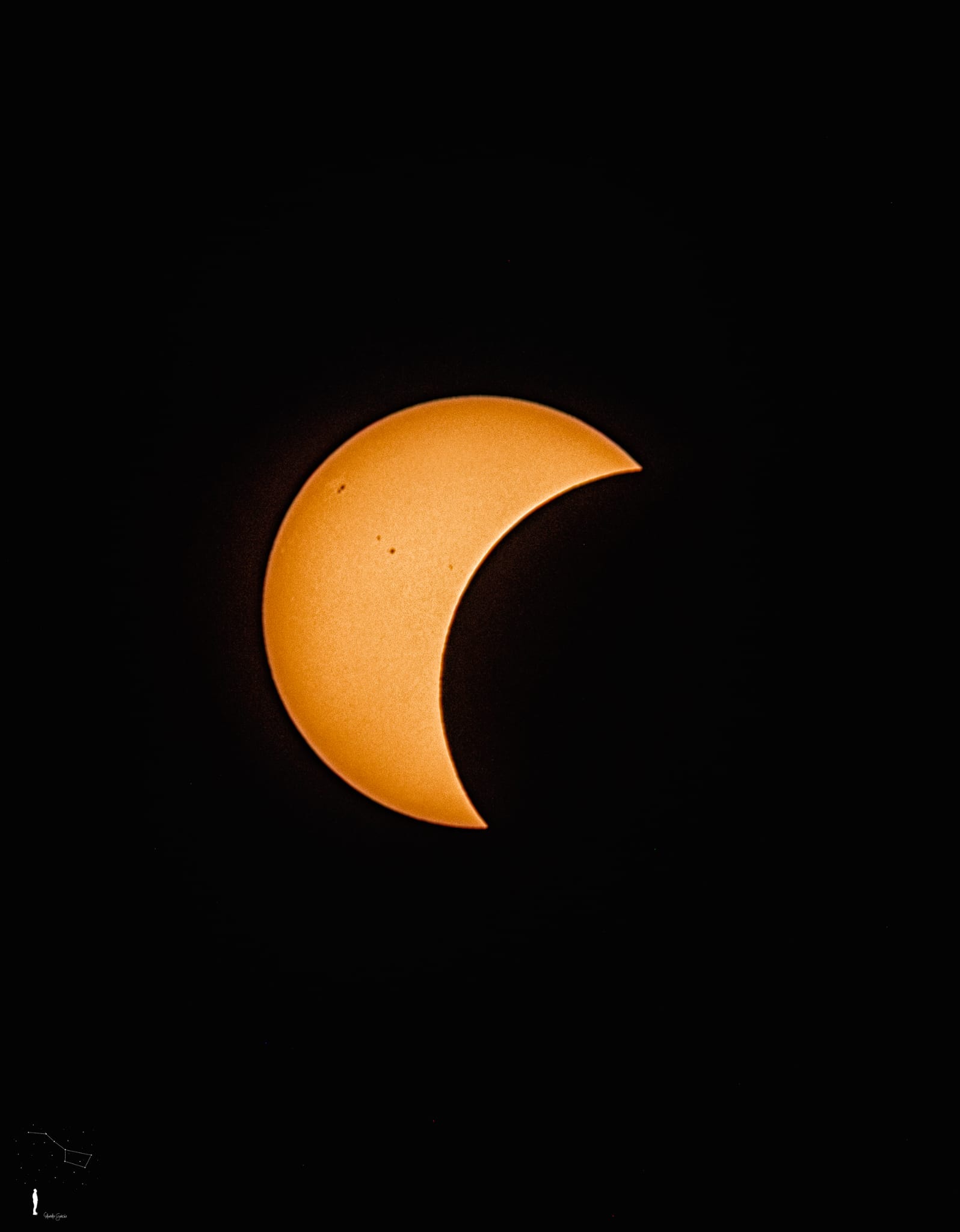
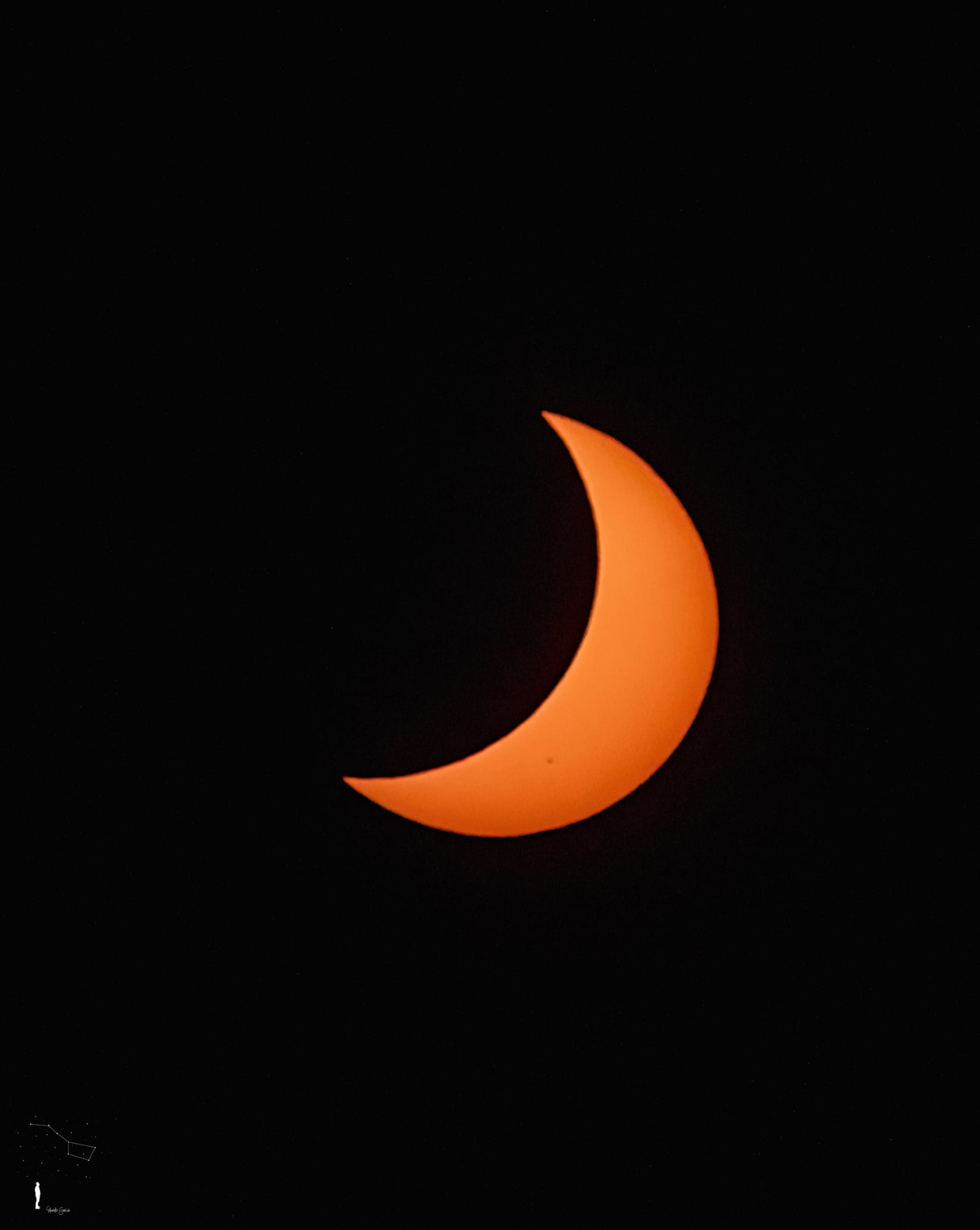
The Total Solar Eclipse of August 2, 2027
The combination of La Palma and the eclipse is not accidental.
It is precisely what makes this journey so special.
After several days photographing the night sky, working with our equipment, refining our technique and sharing photographic sessions in one of the world’s great astronomical environments, we will move to Andalusia and turn our attention from the stars to the Sun.
The entire second part of the expedition will be designed around one objective: arriving at eclipse day completely prepared.
We will review our photographic strategy, check every piece of equipment and carry out a full rehearsal under real working conditions.
Cameras, telephoto lenses, certified solar filters, tracking systems, exposure settings, focusing, intervalometers and shooting sequences will all be tested before the event itself.
When the moment of totality arrives, we will not be improvising.
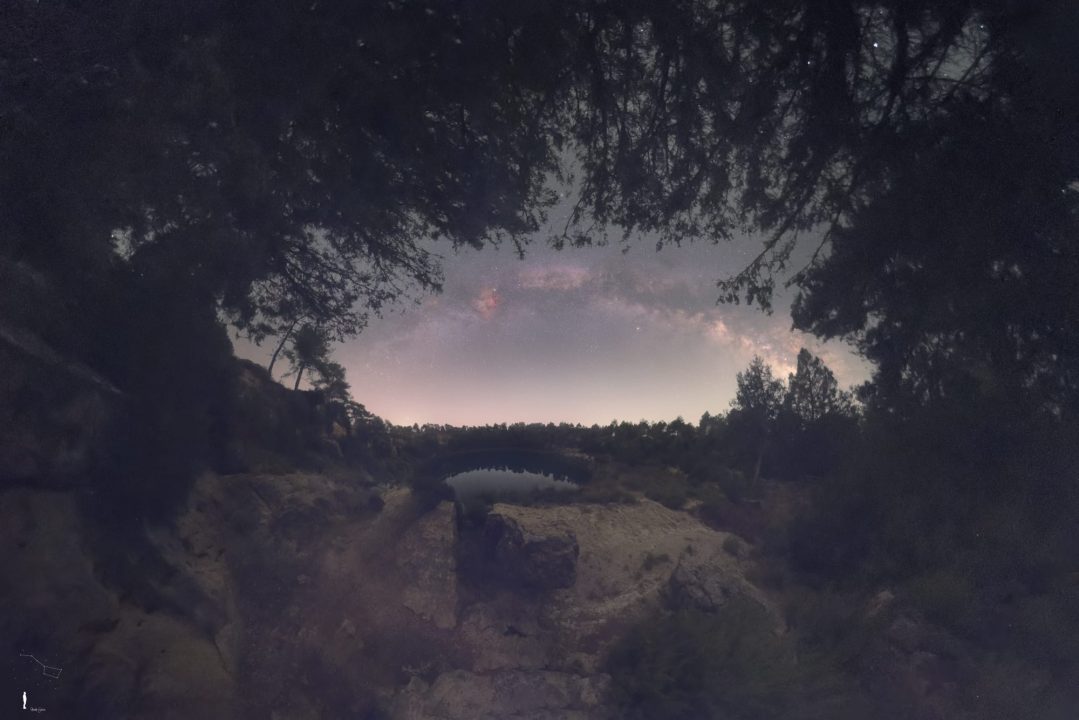
By then, we will already have travelled and photographed together for several days. We will know our equipment, understand our workflow and have a carefully rehearsed photographic strategy.
That preparation will allow us to focus on creating the photographs we have travelled for while still leaving something equally important: a few precious moments to step away from the camera and simply experience what is happening above us.
Because a total solar eclipse is far more than a photographic opportunity.
It is one of nature’s most extraordinary spectacles.
As totality approaches, the world around us begins to change.
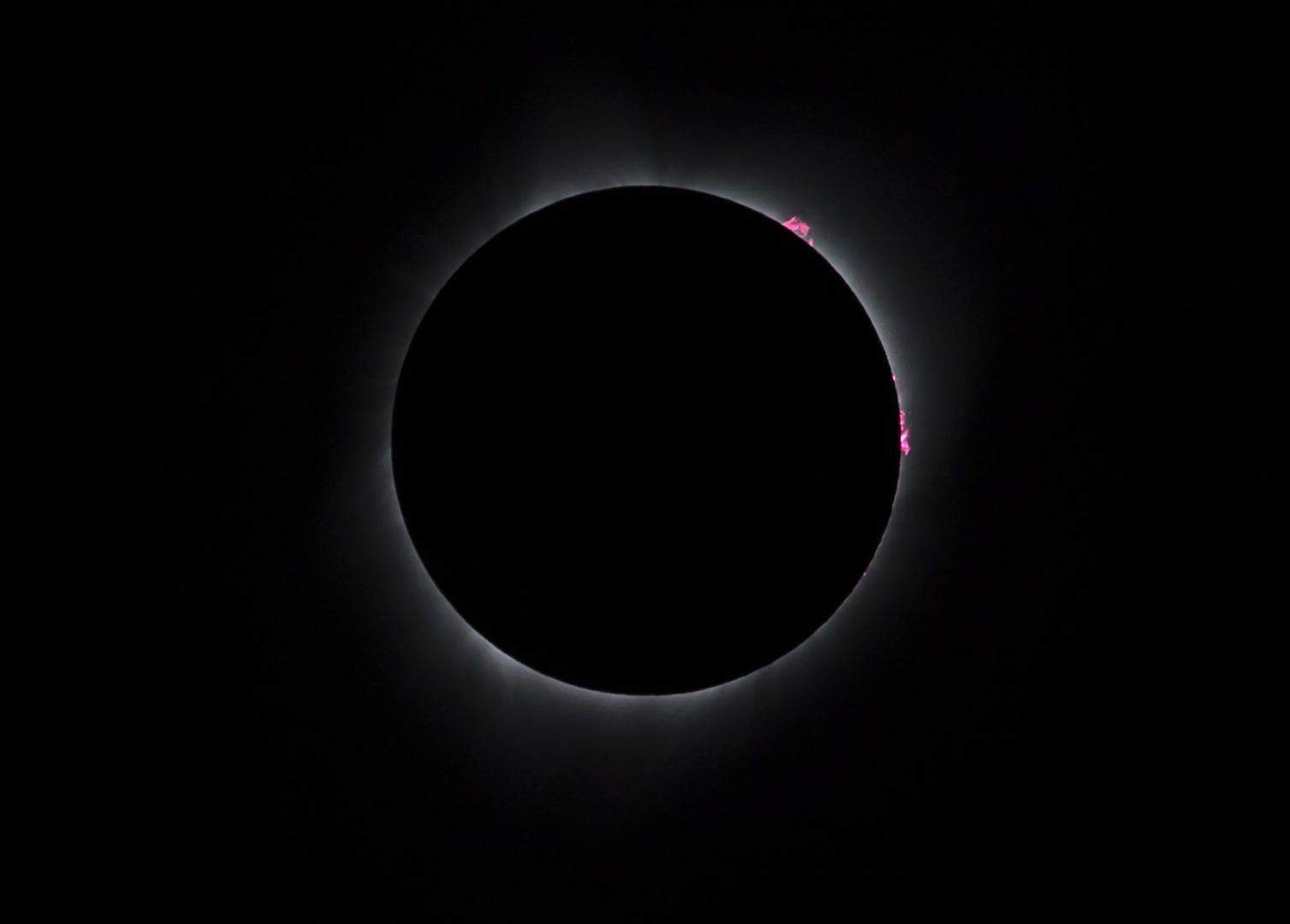
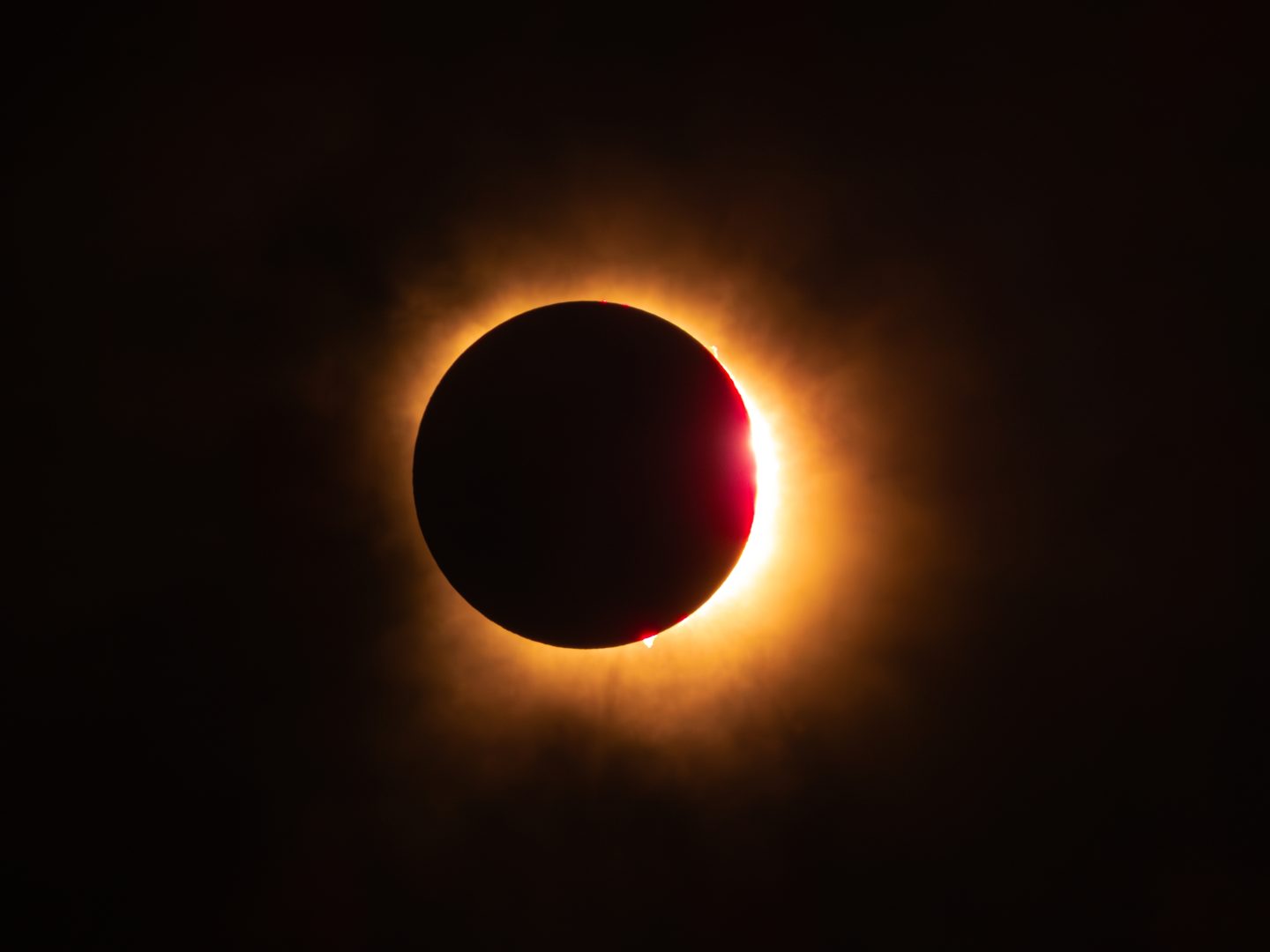
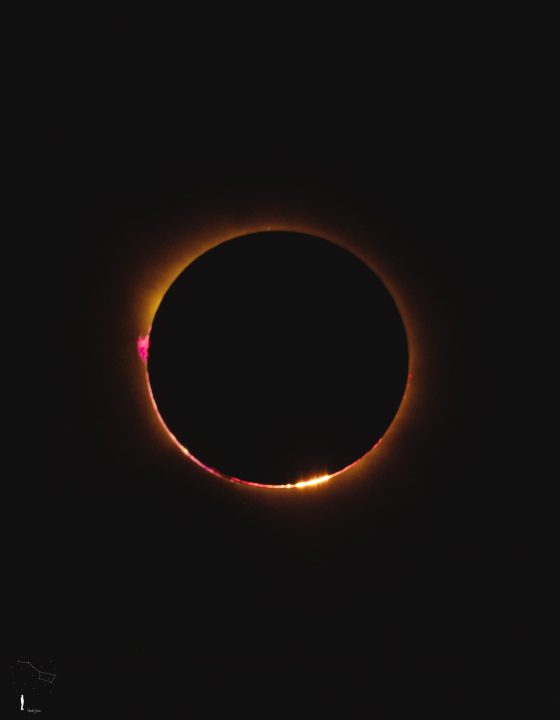
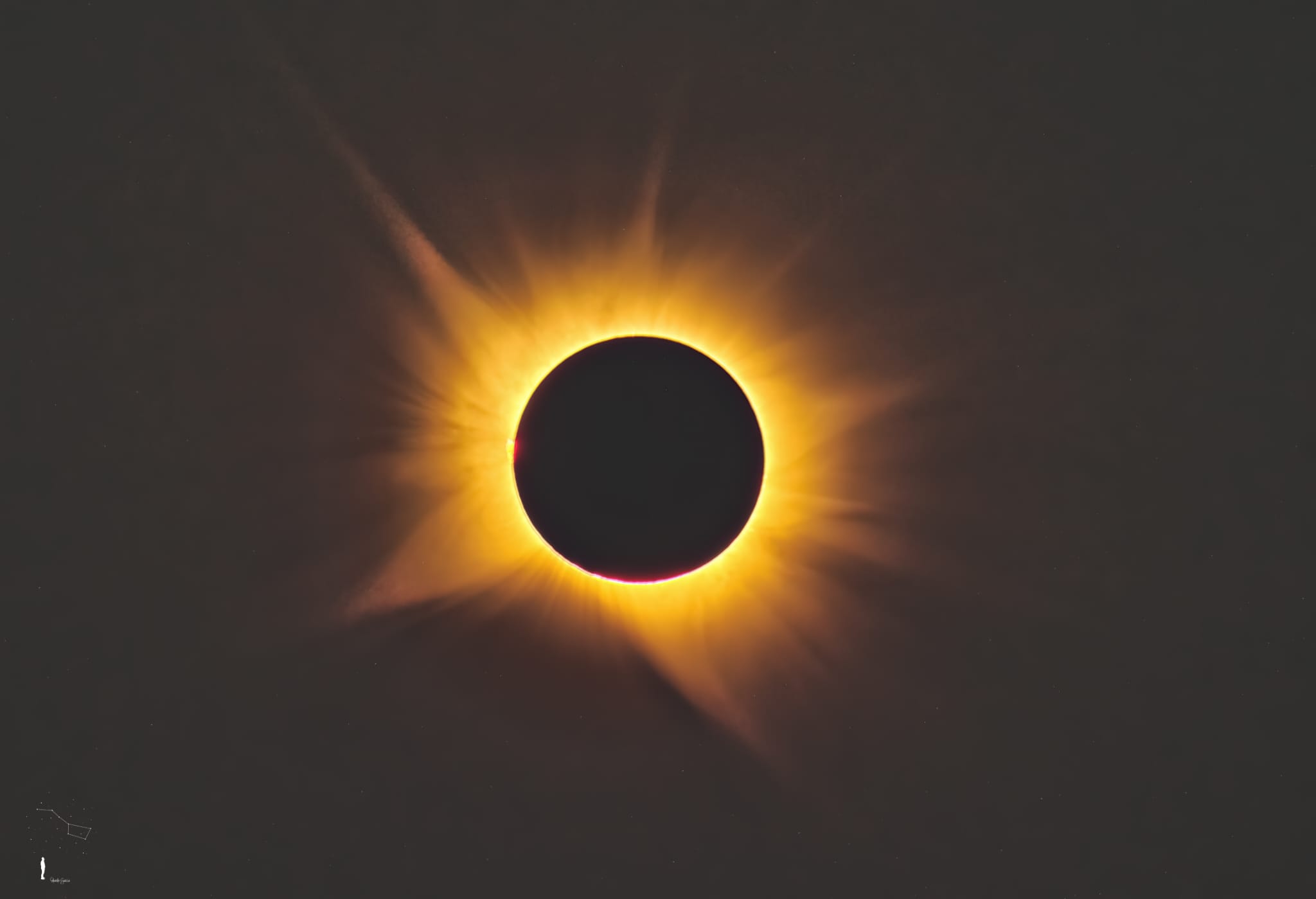
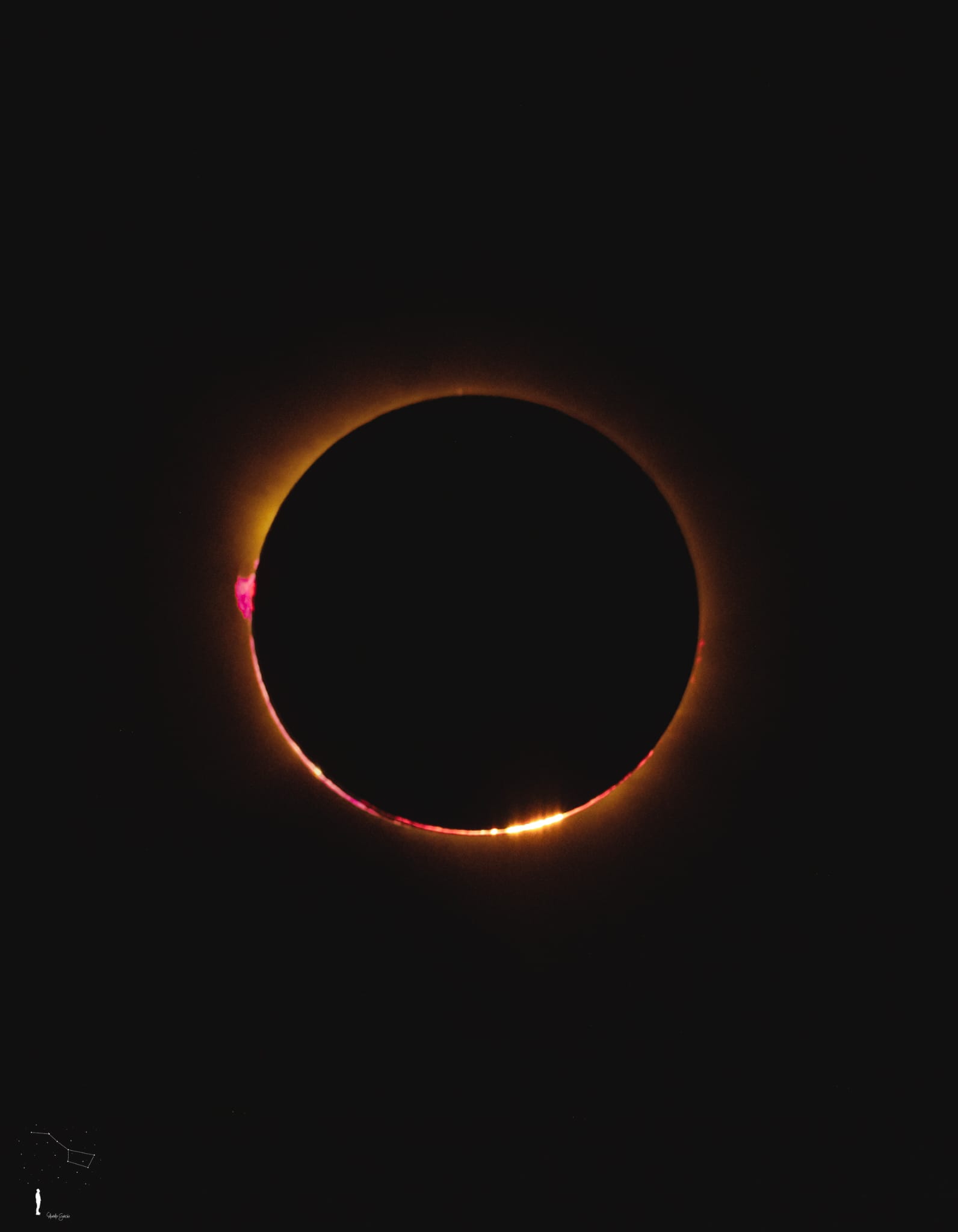
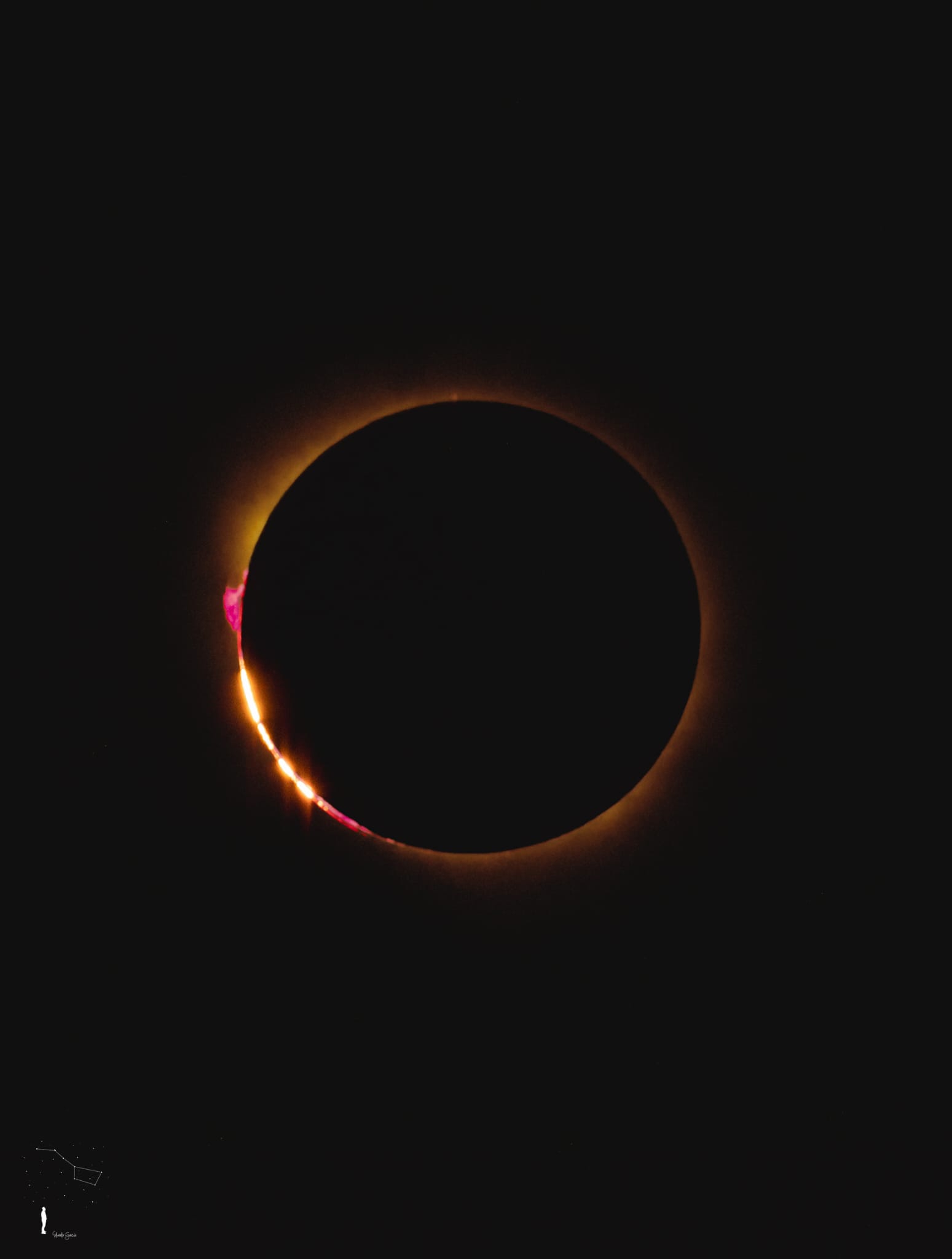
The light takes on an unfamiliar quality. The landscape darkens. The temperature falls. The Moon moves completely in front of the Sun and, for a few remarkable minutes, the solar corona appears around its black silhouette.
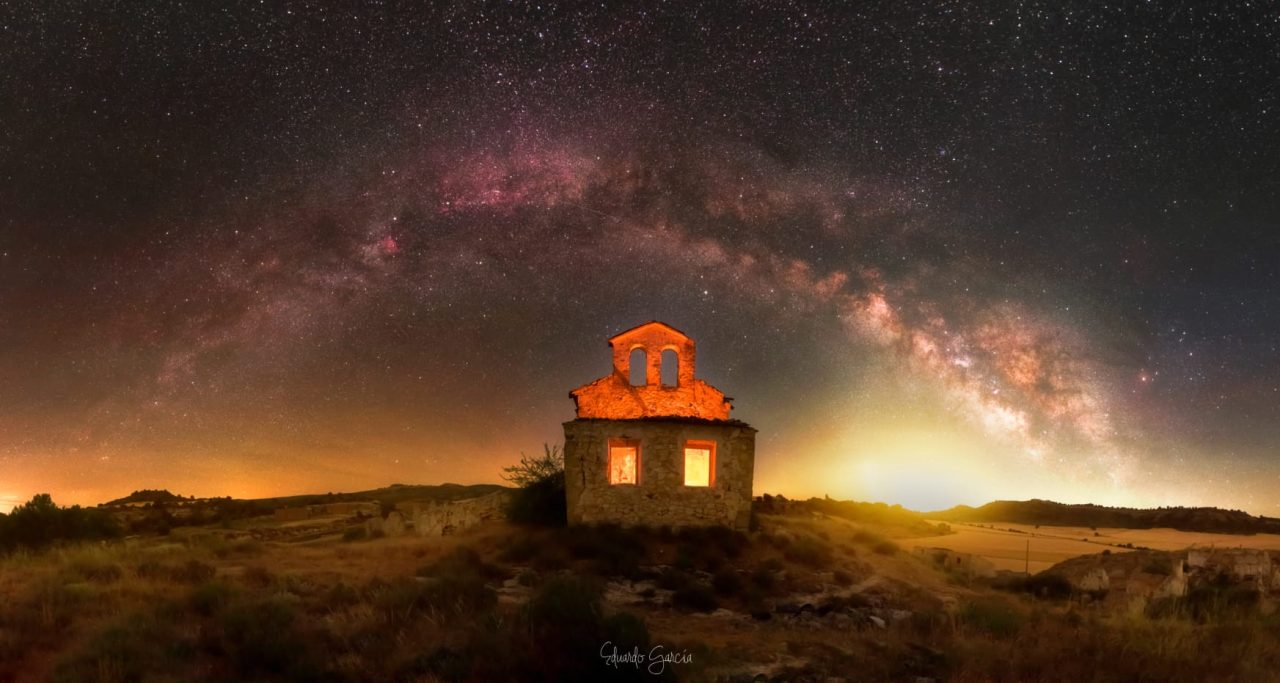
For anyone who has never experienced totality, it is difficult to describe the intensity of that moment.
And for a photographer, it is an extraordinary opportunity to capture a phenomenon unlike almost anything else in nature.
Why travel with WildWatchingSpain?
For an expedition like this, the destination matters — but so does the experience of the people behind it.
WildWatchingSpain is a specialist travel company with more than 15 years of experience organizing nature, landscape, photography and astronomy journeys.
Our work has always been built around carefully designed small-group experiences in which the destination, the photographic opportunities and the logistics all receive the same level of attention.
Over the years, we have organized and led dozens of dedicated astrophotography trips, working in locations chosen specifically for the quality of their night skies, landscapes and astronomical conditions.
Solar eclipses are also an important part of our experience.
Our team has organized and taken part in more than ten dedicated eclipse expeditions across the world, travelling to different countries and continents to photograph and experience these extraordinary events under very different conditions.
That experience matters.
An eclipse expedition is not simply about being inside the path of totality.
It requires careful planning, local logistics, realistic travel times, equipment preparation, contingency options and the ability to react quickly to changing weather or access conditions.
There is no opportunity to repeat the experience the following morning.
For that reason, we approach every eclipse journey with the same philosophy: prepare as much as possible in advance, reduce unnecessary variables and give our travellers the best possible conditions to concentrate on both the photography and the experience itself.
The same principle applies to our astrophotography expeditions.
Knowing how to work with photographers at night, understanding the rhythm of long sessions, choosing appropriate locations, allowing enough time for equipment setup and adapting the itinerary when conditions change are all essential parts of a successful photographic journey.
This combination of travel expertise, photographic experience and astronomical knowledge is at the heart of the 2027 expedition.
We are not simply combining La Palma and Andalusia because both destinations are attractive.
We are combining them because together they tell a complete photographic story.
The journey begins beneath some of Europe’s finest dark skies, surrounded by volcanic landscapes and world-class astronomical observatories.
It then moves south to the Mediterranean, where the focus gradually shifts from night-sky photography to the precise preparation required for a total solar eclipse.
And finally, it culminates beneath the shadow of the Moon.
This expedition has therefore been conceived as much more than a journey to photograph an eclipse.
It is a photographic experience built step by step, with each day preparing us for the next.
La Palma will give us the stars.
Andalusia will give us the eclipse.
Together, they create an exceptional photographic journey — from the Milky Way to the solar corona, from the darkness of the night sky to the darkness of totality.
More than 15 years of specialist travel experience.
Dozens of astrophotography journeys.
More than ten eclipse expeditions around the world.
And one extraordinary journey to experience totality in Spain.
Two remarkable destinations.
Two very different ways of photographing the universe.
One unforgettable expedition.
Any international airport
10 days (del 25/07/2027 al 03/07/2027)
Personal welcome and assistance at Madrid Airport on arrival.
All private ground transportation specifically included in the itinerary, using vehicles suitable for both passengers and photographic equipment.
1 night in Madrid in a 4-star hotel or equivalent.
4 nights accommodation in La Palma throughout our stay on the island. H10 Taburiente playa or similar 4****
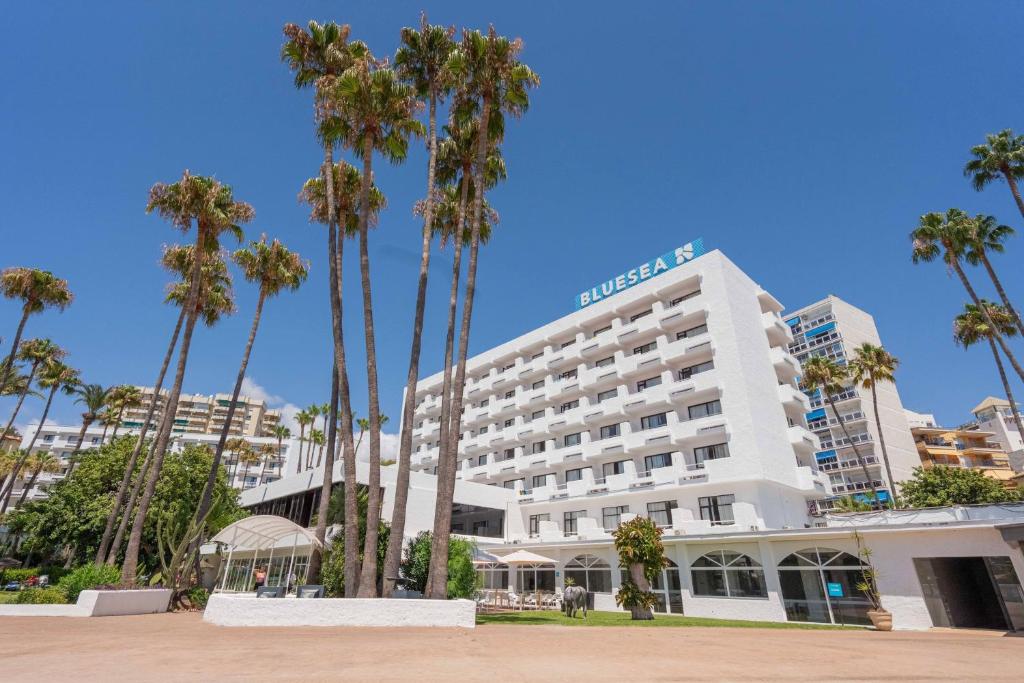
4 nights accommodation in Torremolinos / Costa del Sol hotel Bluseas AL Andalus 4**** during the second part of the expedition, in a 4-star hotel or equivalent.
Hotel breakfasts according to the program.
Lunches and dinners specifically mentioned in the itinerary, including selected meals during our stay in La Palma. ( all meals from 2027 july 25th dinner to August 3rd breakfast)
Flight from Madrid to La Palma.
Flight from La Palma to Madrid.
Private transfer from Madrid Airport to Atocha railway station on our return from the Canary Islands.
High-speed train ticket from Madrid to Málaga.
Transportation between Málaga, Torremolinos and the various photographic locations included in the Andalusia program.
Personalized final transfer to Málaga Airport on August 3.
Accompaniment throughout the expedition by WildWatchingSpain guides, specializing in photography, nature and astronomical tourism. (maximum 7 clients per guide)
Three nighttime astrophotography sessions in the highlands of La Palma, subject to weather and access conditions.
Practical landscape photography sessions at the various locations included in the itinerary.
Two technical astrophotography sessions, focusing on Milky Way photography, deep-sky photography, planning and image review.
A dedicated technical session on solar eclipse photography.
A complete eclipse rehearsal on August 1, including equipment setup and testing of solar filters, focusing, exposure, focal lengths, intervalometers and shooting sequences.
Technical assistance from our guides during the preparation and photography of the Total Solar Eclipse on August 2, 2027.
Advance planning and selection of the eclipse observing location, taking into account the path of totality, accessibility and logistics.
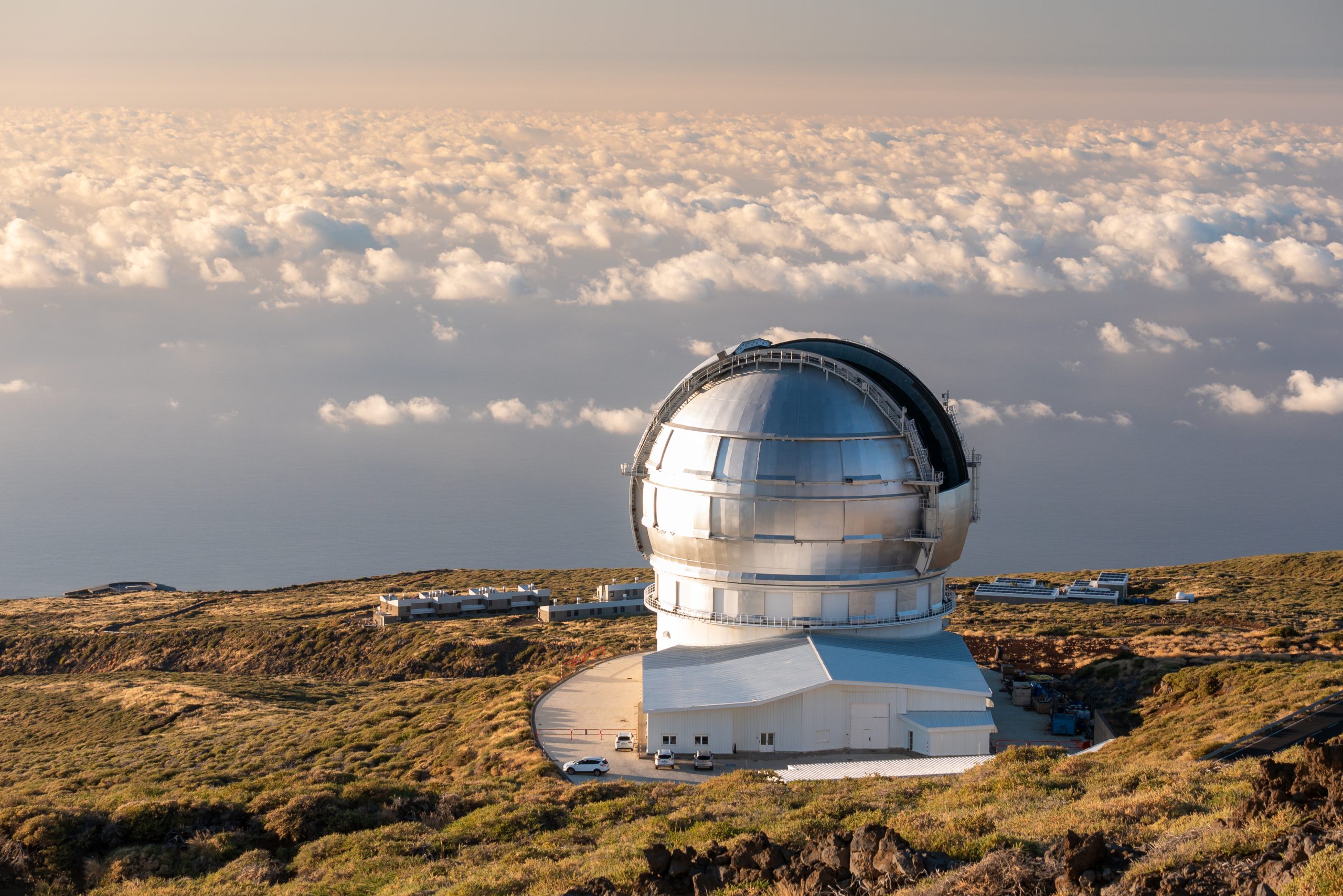
Visit to the Roque de los Muchachos Observatory and Gran Telescopio Canarias (GTC), subject to access conditions and availability.
Photographic visits and activities in La Palma, including Caldera de Taburiente, volcanic landscapes, the Tajogaite area, Fuencaliente, salt pans, coastal scenery and selected viewpoints.
Landscape photography sessions in Andalusia, including Sohail Castle and the Artola Dunes.
Full logistical coordination throughout the expedition.
Alternative planning when weather, traffic, safety or access conditions make it advisable to modify a scheduled location or activity.
International flights or transportation from the participant’s home country to Madrid.
Return flight from Málaga to the participant’s home city or country.
Alcoholic beverages, minibar charges and personal consumption in hotels, restaurants or other establishments.
Personal photographic equipment, including cameras, lenses, tripods, tracking mounts, computers, hard drives and other accessories.
Tips and gratuities.
Any service, excursion, activity or transfer not specifically mentioned as included in the program.
Madrid airport
H10 Taburiente Playa 4****
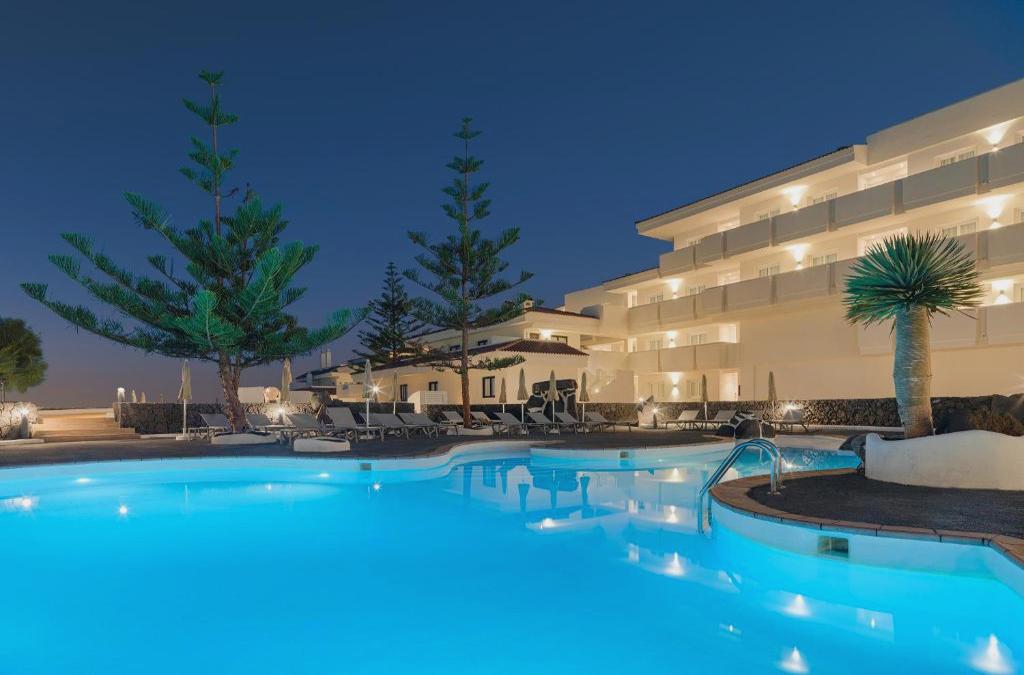
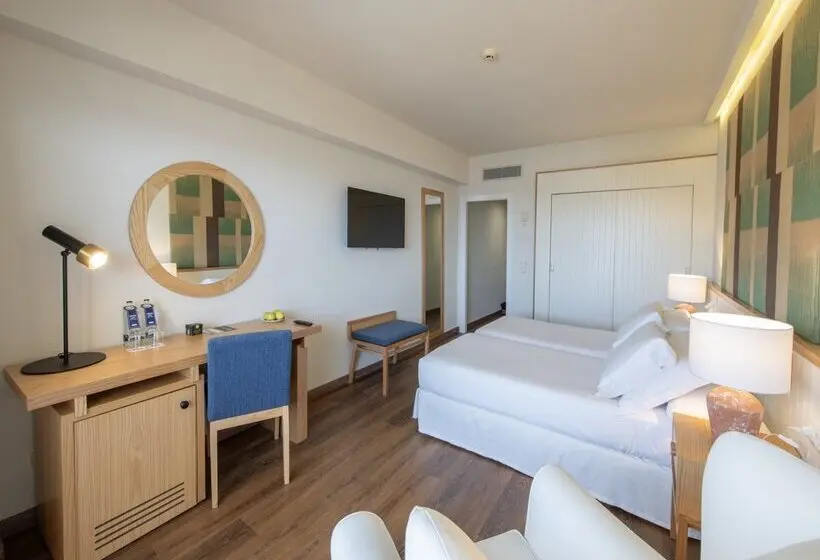
Blueseas Al Andalus 4****
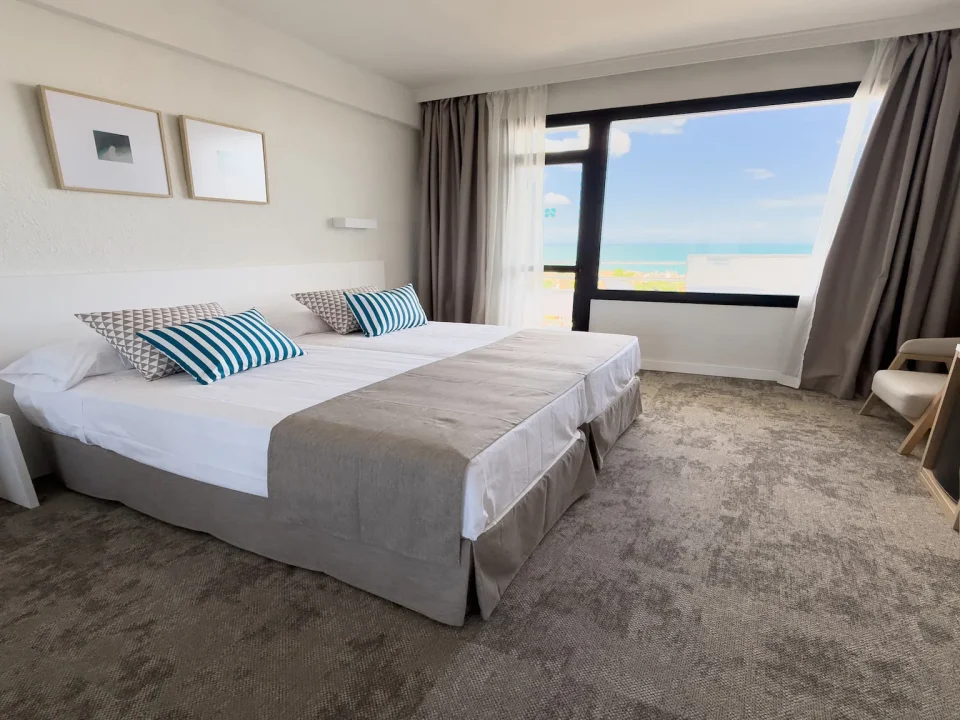
Full board since 2027 July 25th dinner to August 3rd breakfast.
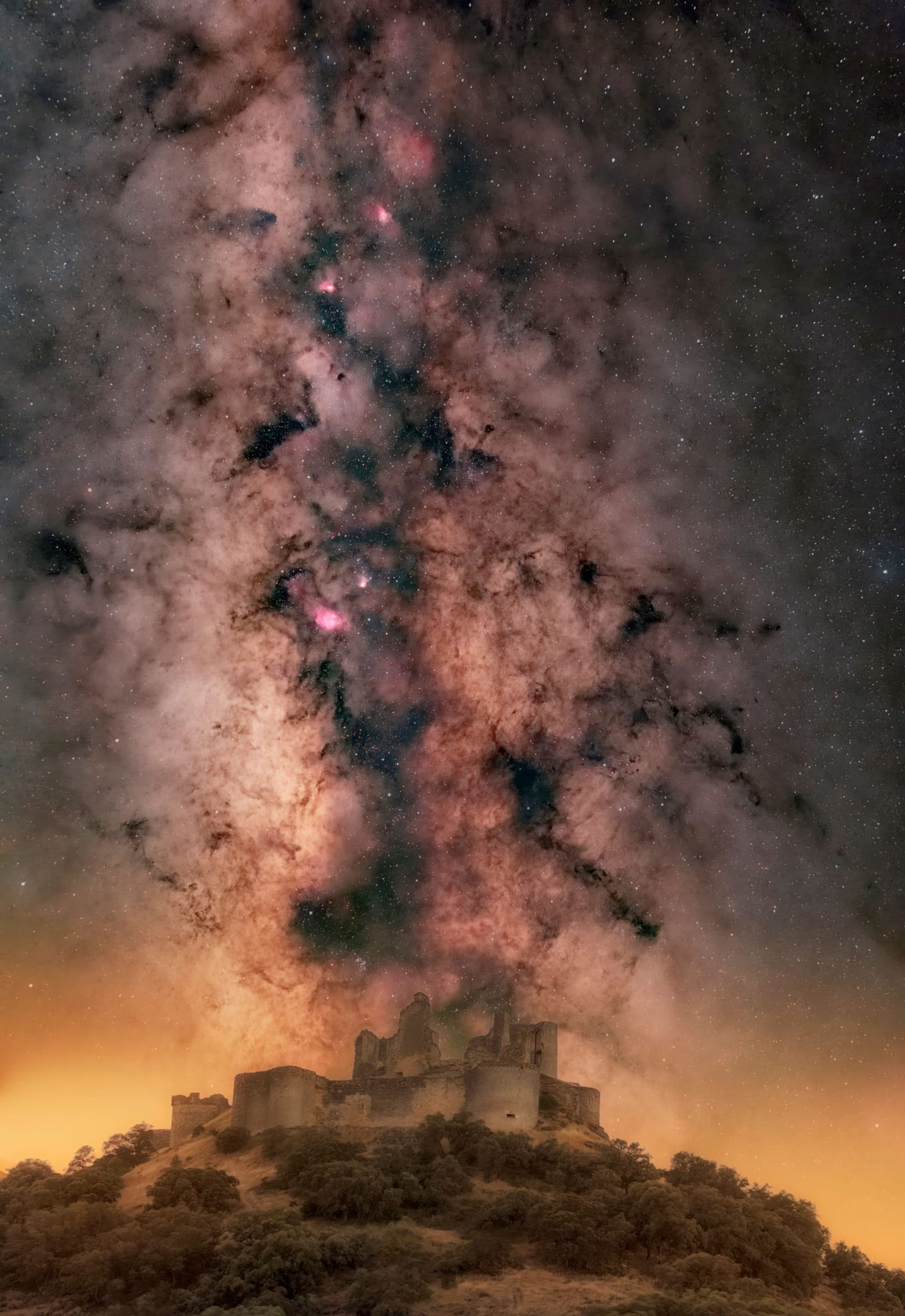
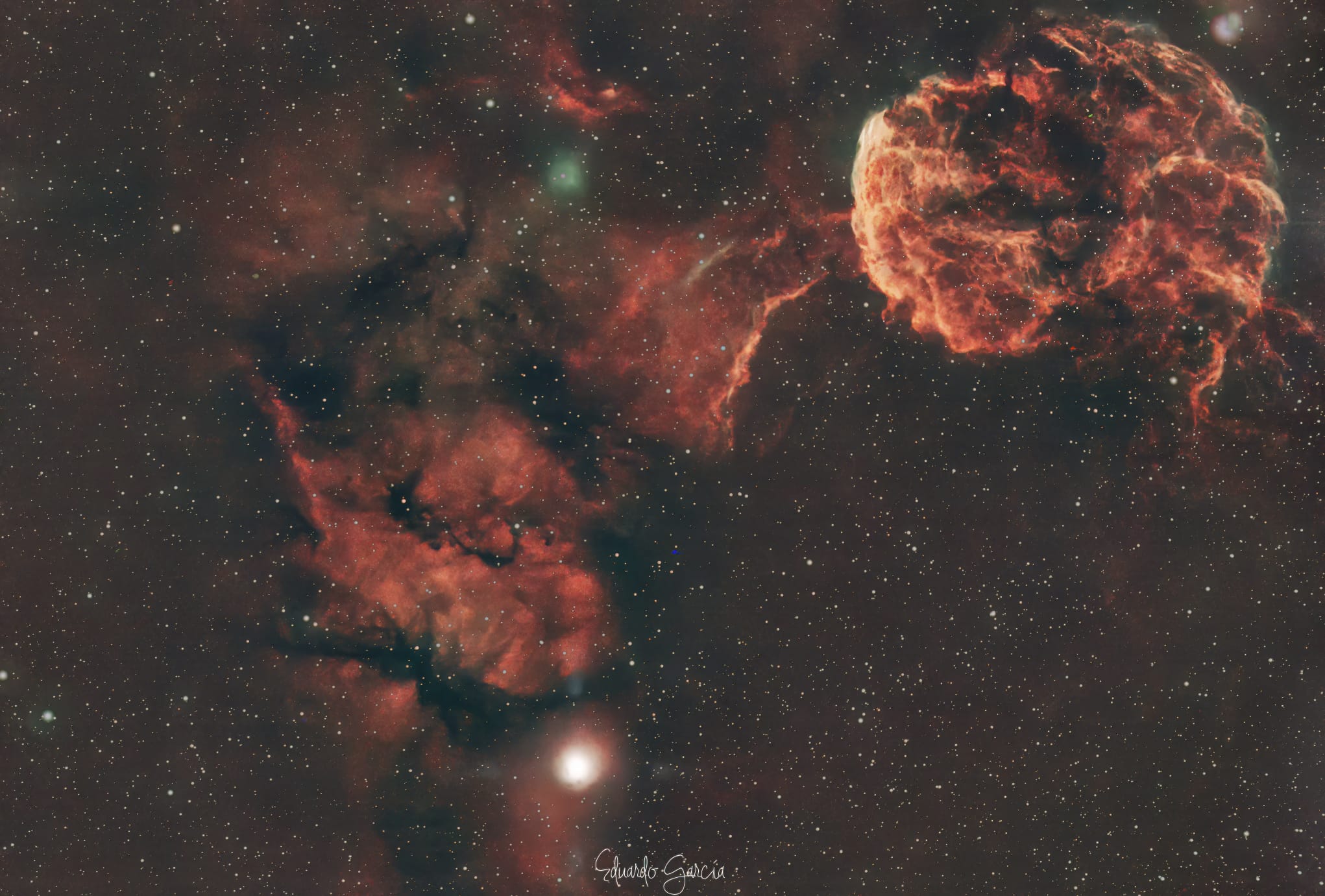
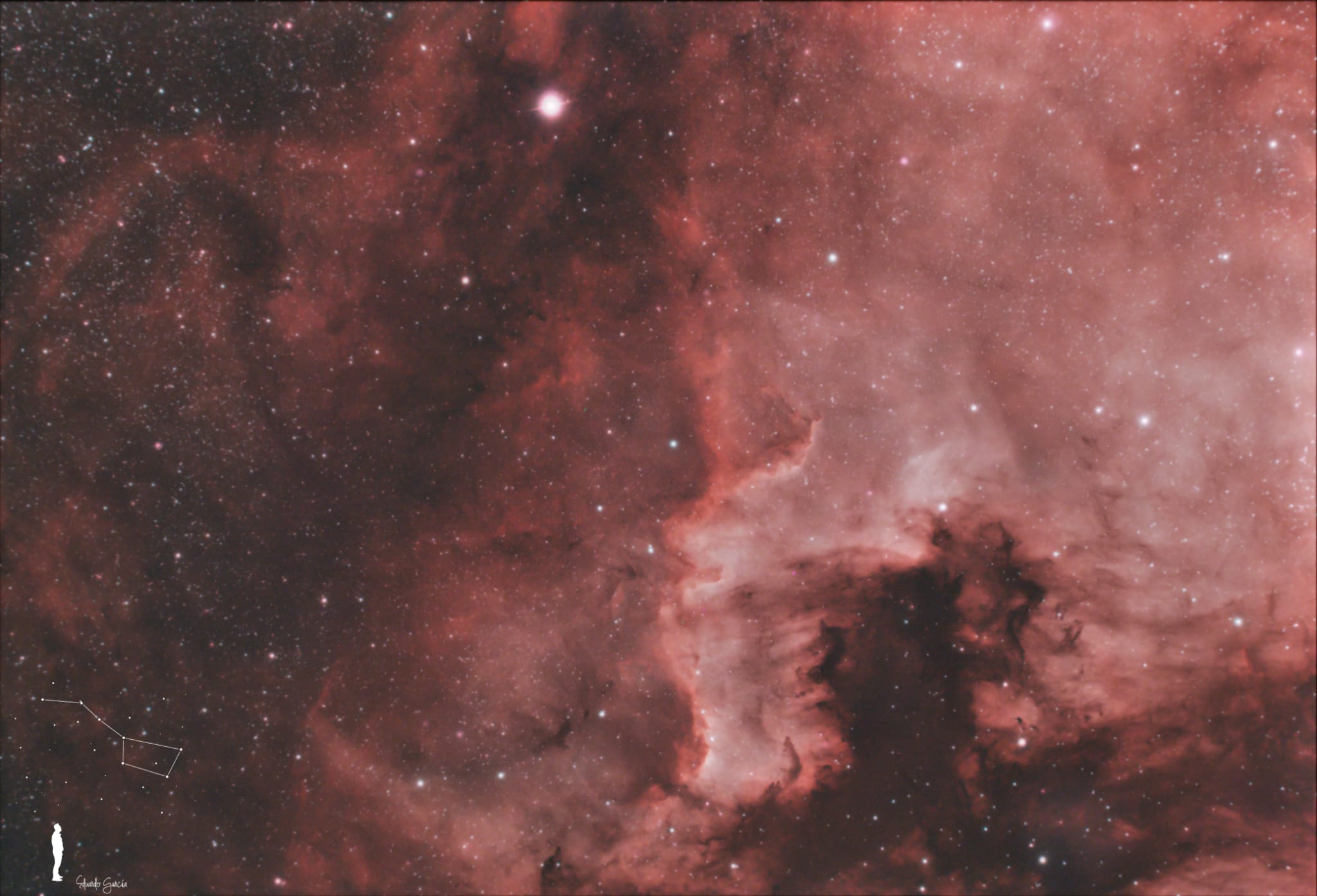
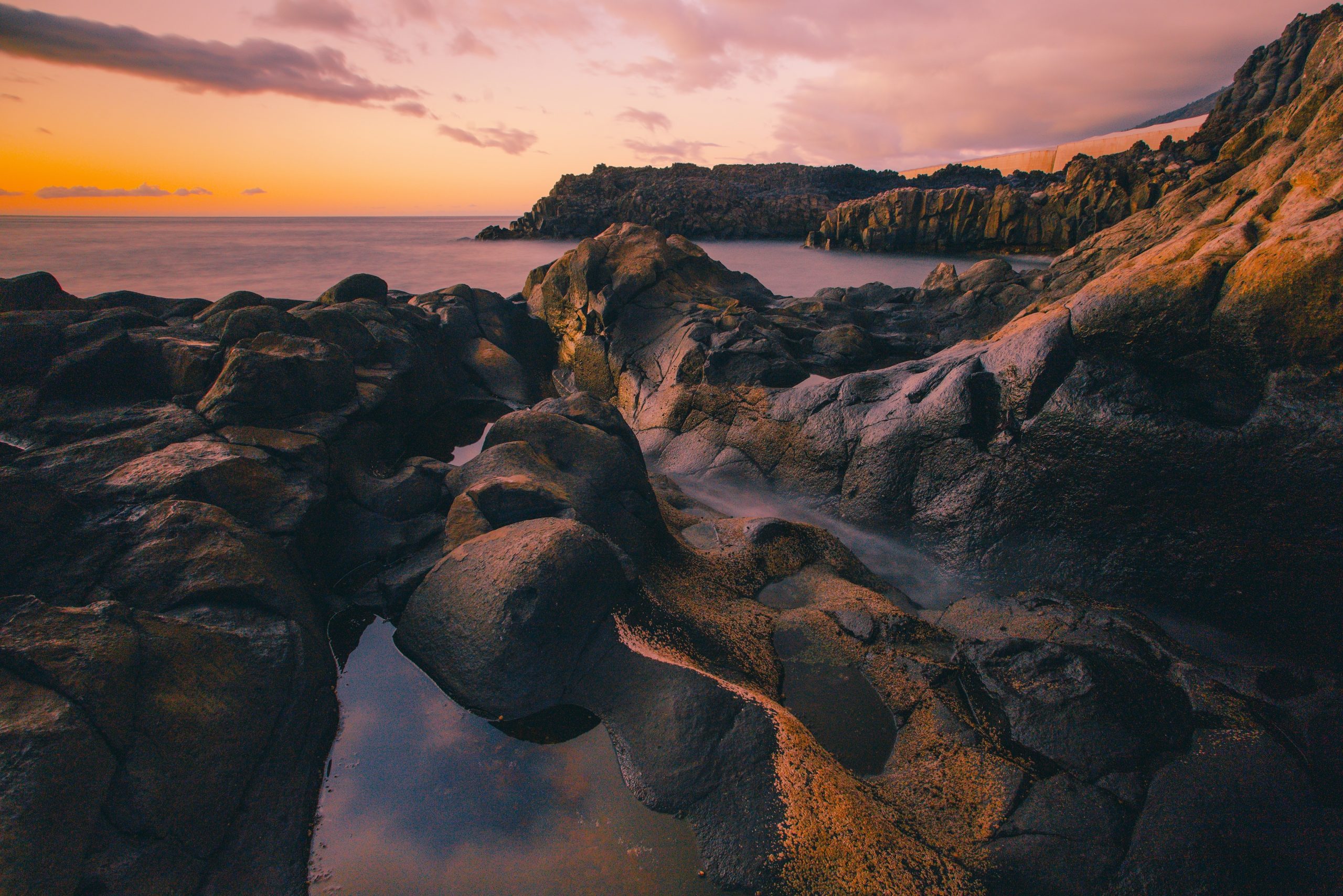
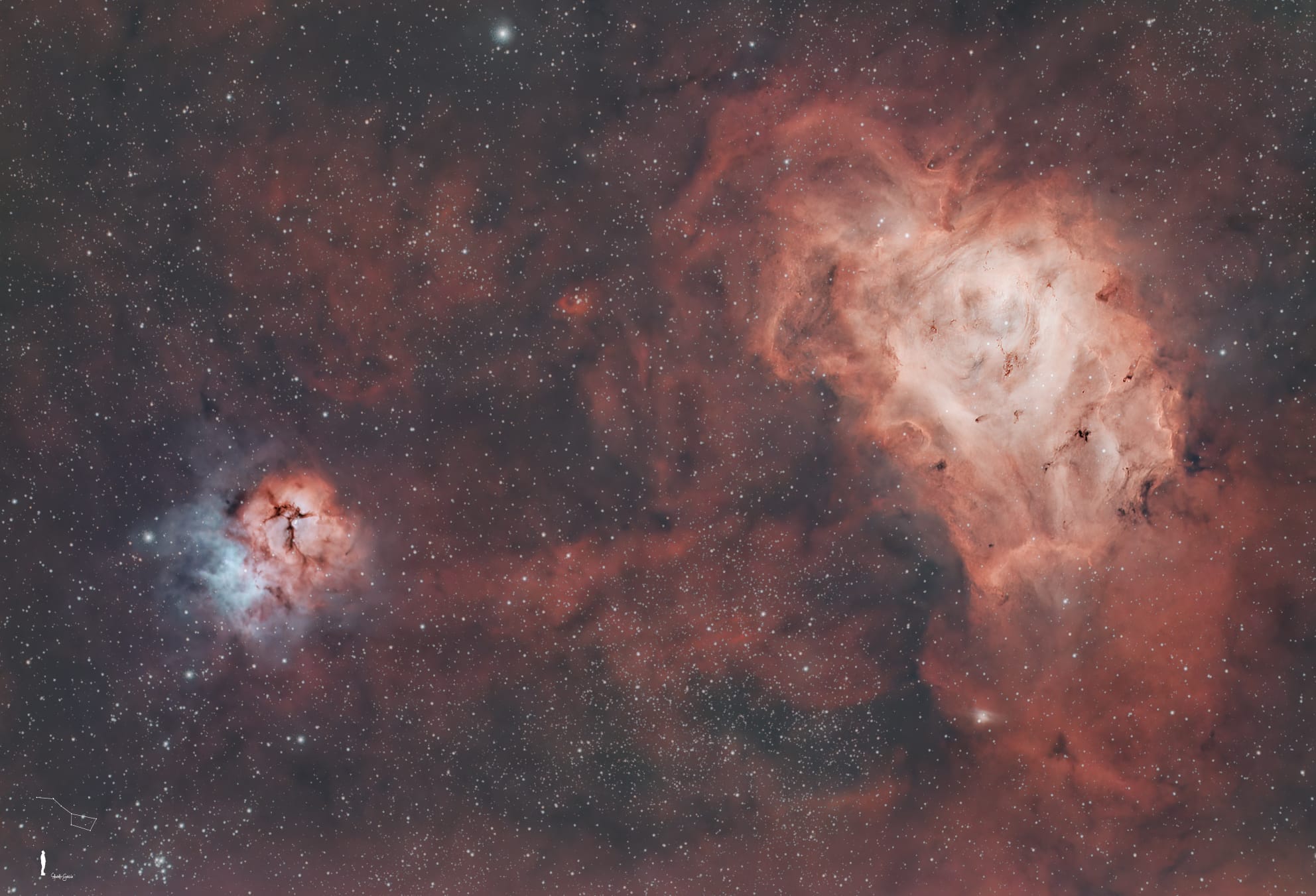
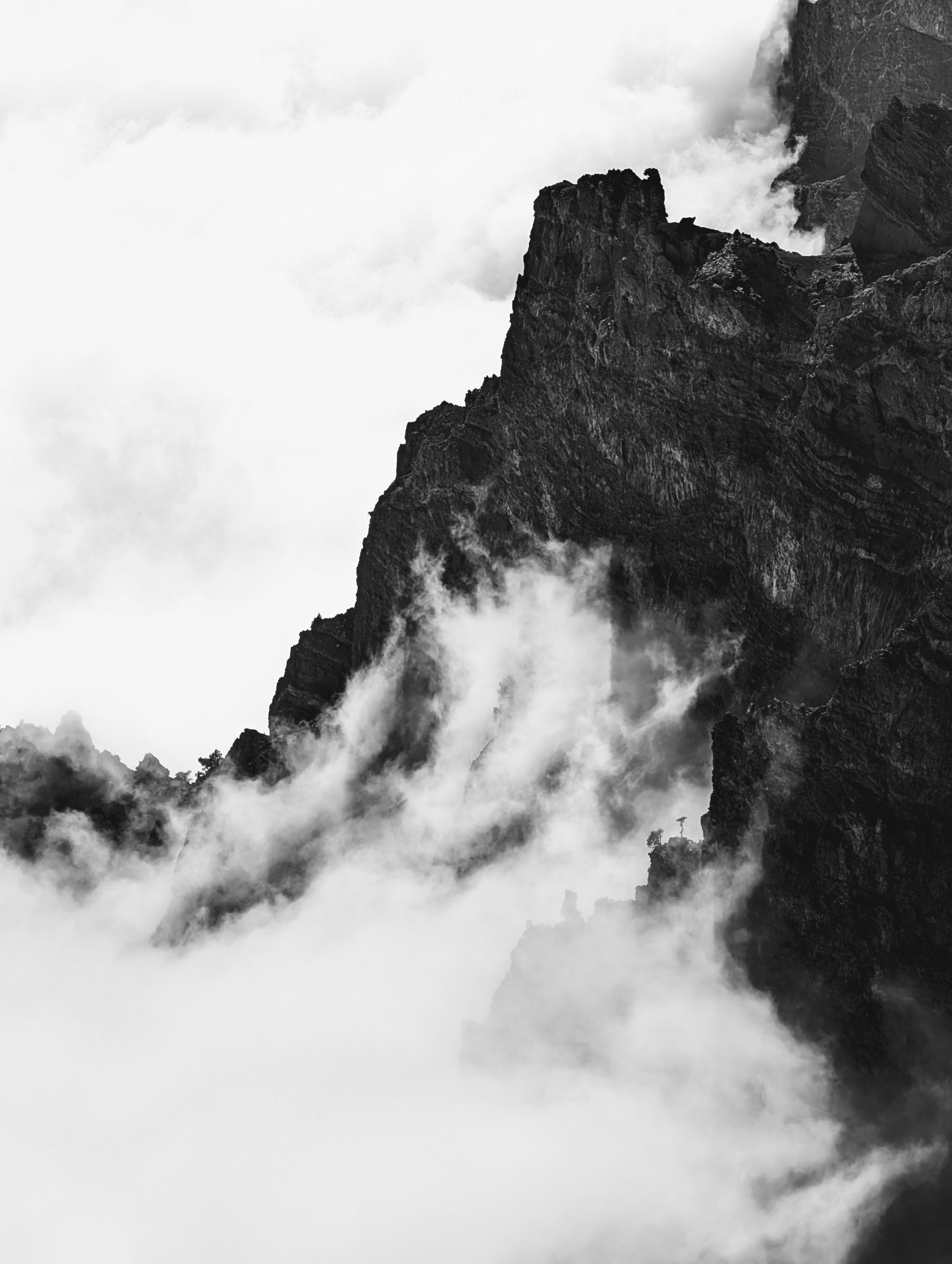
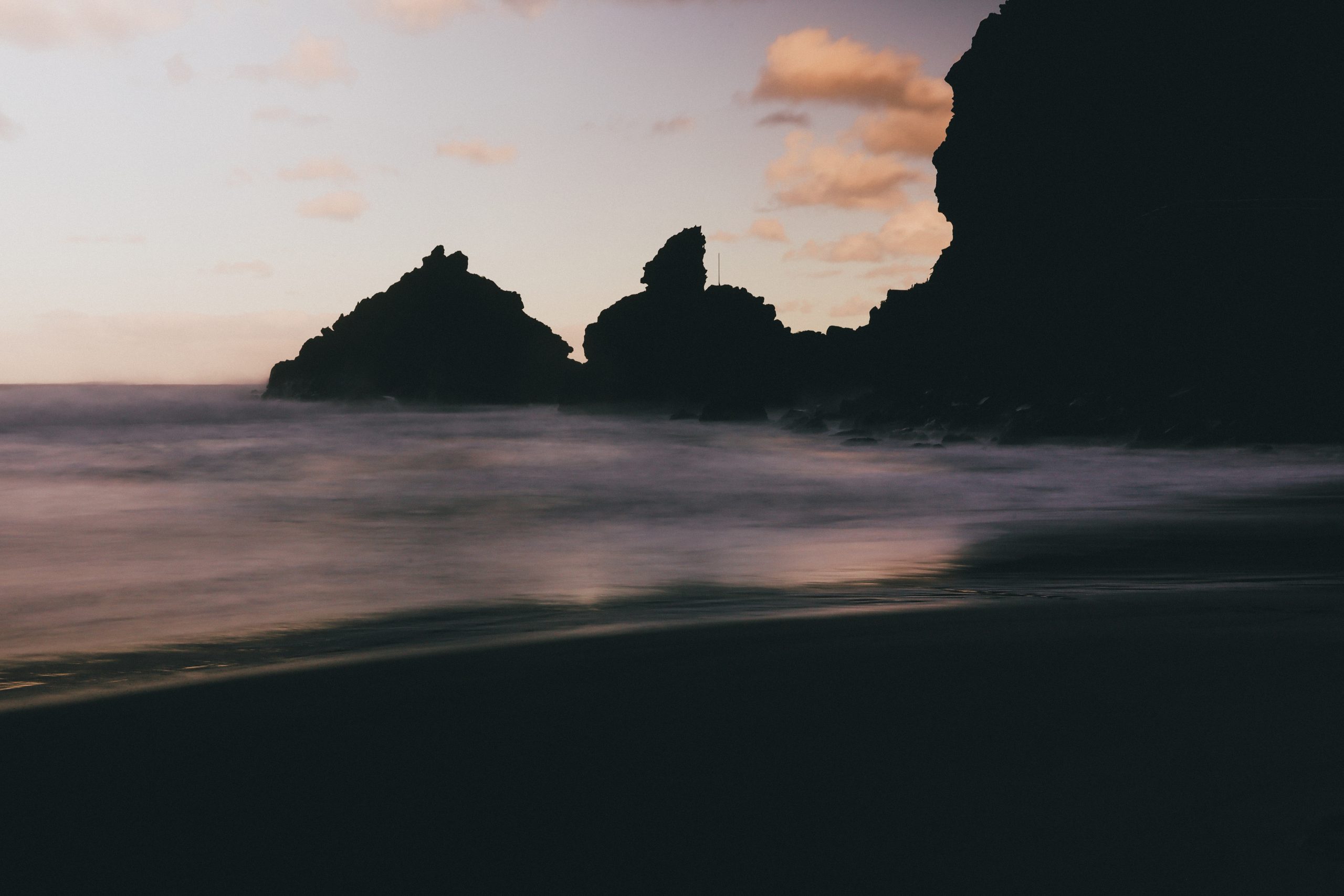
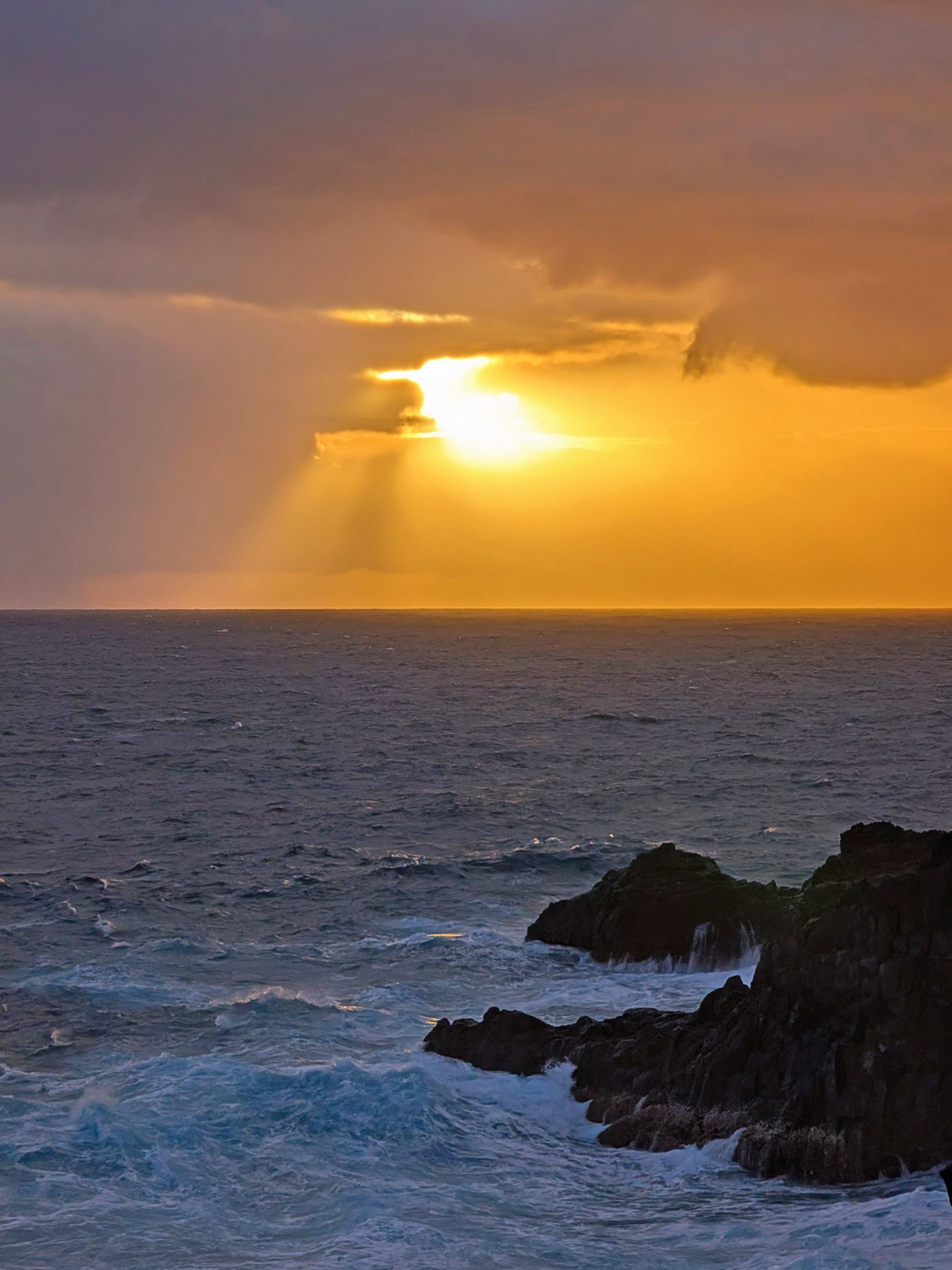
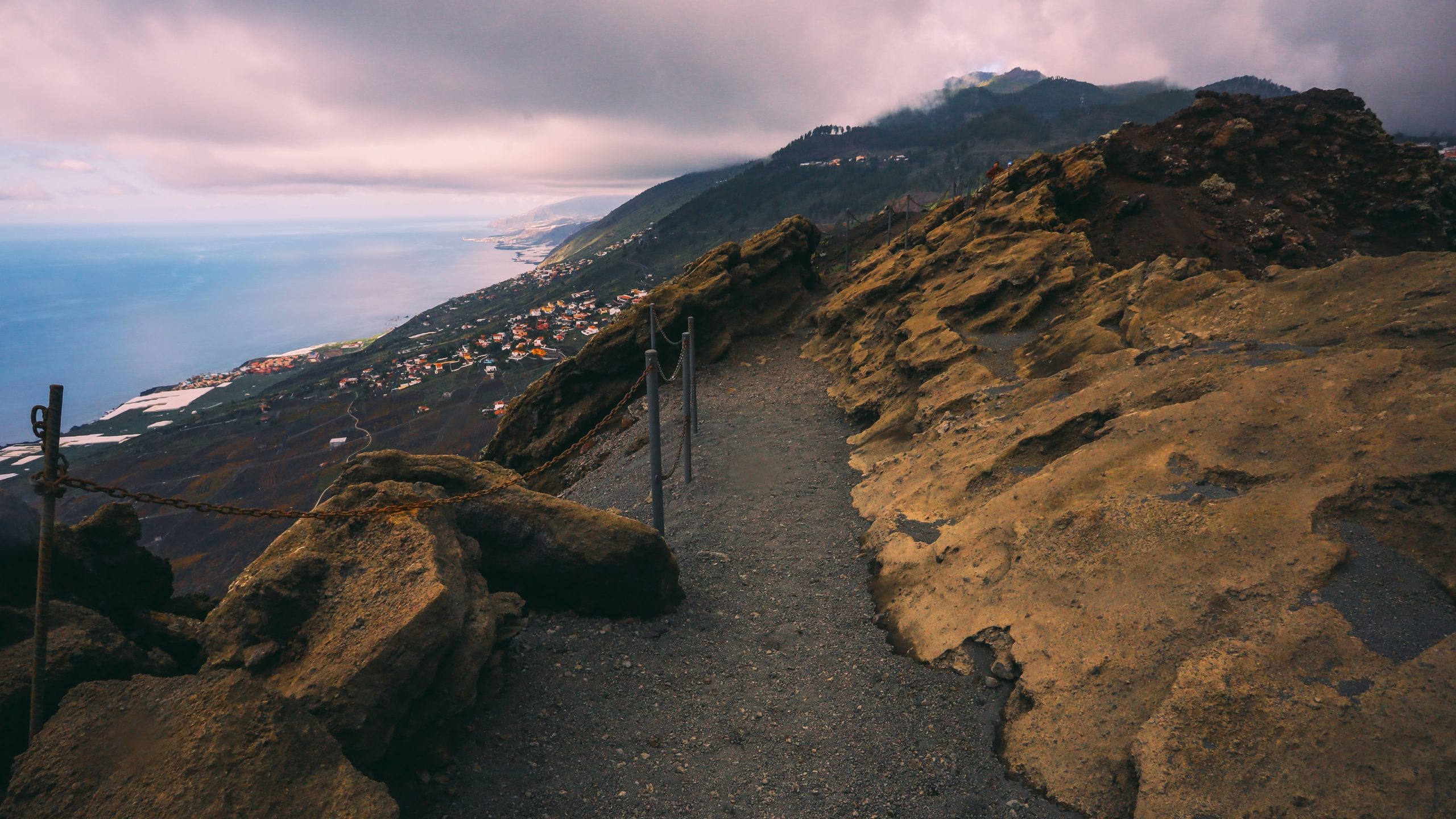
JULY 25, 2027
Arrival in Madrid
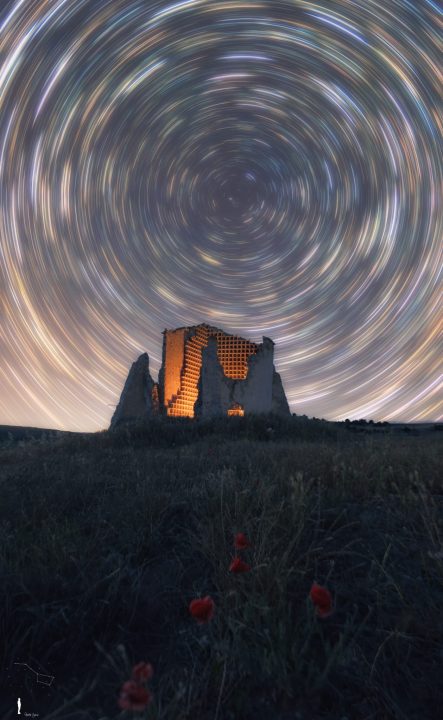
Upon arrival at Madrid Airport, participants will be personally welcomed by our team together with a professional driver.A private transfer will take us to our 4-star hotel, conveniently located near the airport to simplify the logistics for the following morning.In the evening we will enjoy a welcome dinner, giving participants and guides the opportunity to meet for the first time.During dinner we will introduce the expedition, review the overall organization of the trip and discuss the main photographic activities planned for the days ahead.It will also be an opportunity to answer initial logistical questions and begin preparing for our arrival in La Palma.Accommodation and overnight rest.
JULY 26, 2027
Madrid – La Palma | First Astrophotography Night
After breakfast we will transfer to Madrid Airport for our flight to the island of La Palma.Arrival is expected at approximately 2:00 p.m.After settling in, we will have lunch at the H10 Taburiente Playa Hotel before preparing for our first photographic outing.
First ascent to Roque de los Muchachos
In the afternoon we will make our first journey into one of the great astronomical environments of the expedition: the highlands of La Palma and the area surrounding Roque de los Muchachos.The island’s altitude, atmospheric conditions and carefully protected night sky have made this region an international reference point for professional astronomy and astronomical observation.The summit area is also home to one of the world’s most important astronomical observatory complexes, surrounded by a spectacular volcanic landscape that takes on an entirely different character after dark.Our first night will be designed as an introduction to photographing in these conditions.We will scout compositions, begin understanding the characteristics of La Palma’s night sky and explore different approaches to night photography.A picnic dinner will be provided so that we can make the most of the session and remain in the mountains during the most productive hours.At the end of the session we will return to the hotel.Transfer, accommodation and overnight rest.
JULY 27, 2027
Caldera de Taburiente | Second Astrophotography Night
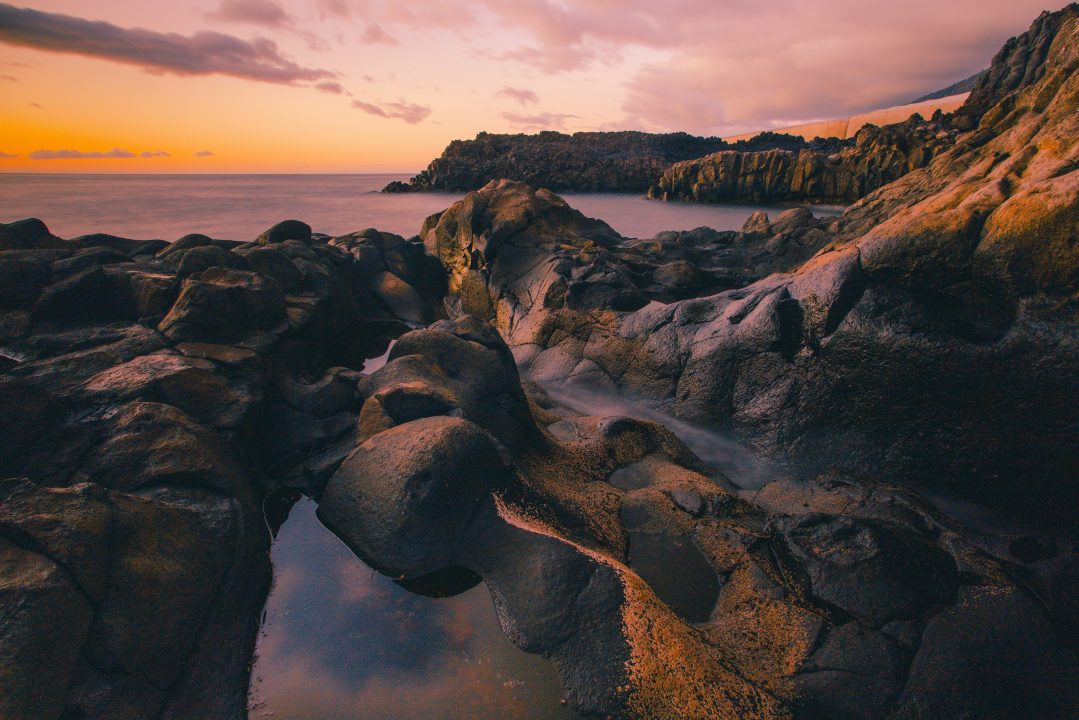
After the previous night’s long astrophotography session, we will allow ourselves a more relaxed start to the day.Following a generous breakfast, we will travel to one of the great natural landscapes of the Canary Islands: Caldera de Taburiente National Park.
Landscape photography in Caldera de Taburiente
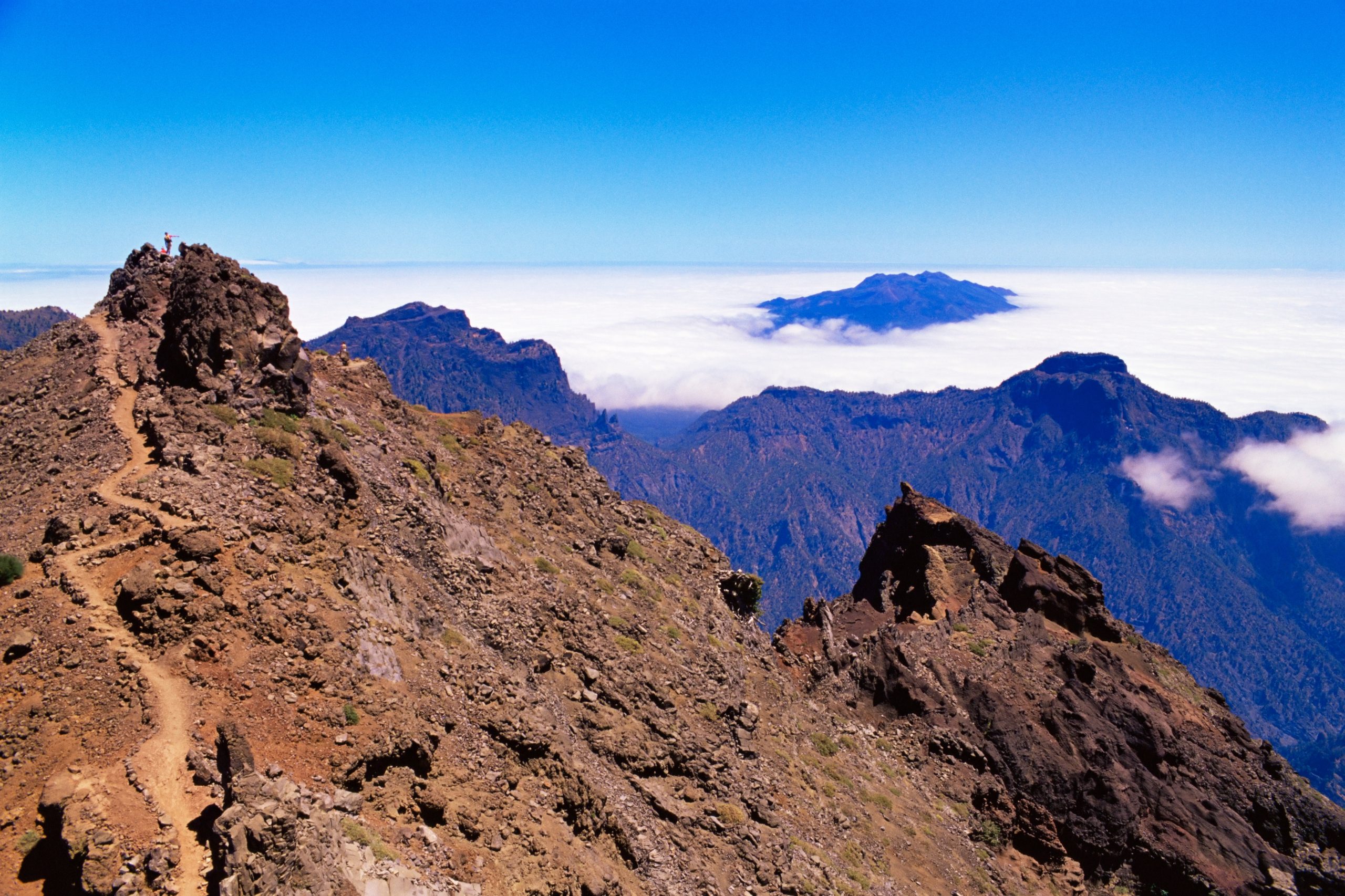
Here we will encounter an extraordinary landscape dominated by immense mountain walls, deep ravines, forests and volcanic formations.Erosion and geological time have shaped a remarkably complex environment in which we can work with depth, scale, texture, vegetation and the successive layers of the surrounding mountains.This daytime session will provide a completely different photographic experience from our work under the stars and will help us appreciate the remarkable landscape diversity of La Palma.After the activity we will enjoy lunch at a selected establishment on the island.Before our nighttime outing we will collect another picnic dinner.
First technical astrophotography session
During the afternoon we will hold our first dedicated technical session focusing on Milky Way and deep-sky photography.We will cover planning, exposure, focusing, focal-length selection, tracking and the organization of an effective nighttime shooting session.
Second ascent to Roque de los Muchachos
After the workshop we will return to the highlands for our second astrophotography night.With the experience gained during our first outing, we will now be able to work more deliberately and begin applying the techniques discussed earlier in the day.At the end of the session we will return to the hotel.Accommodation and overnight rest.
JULY 28, 2027
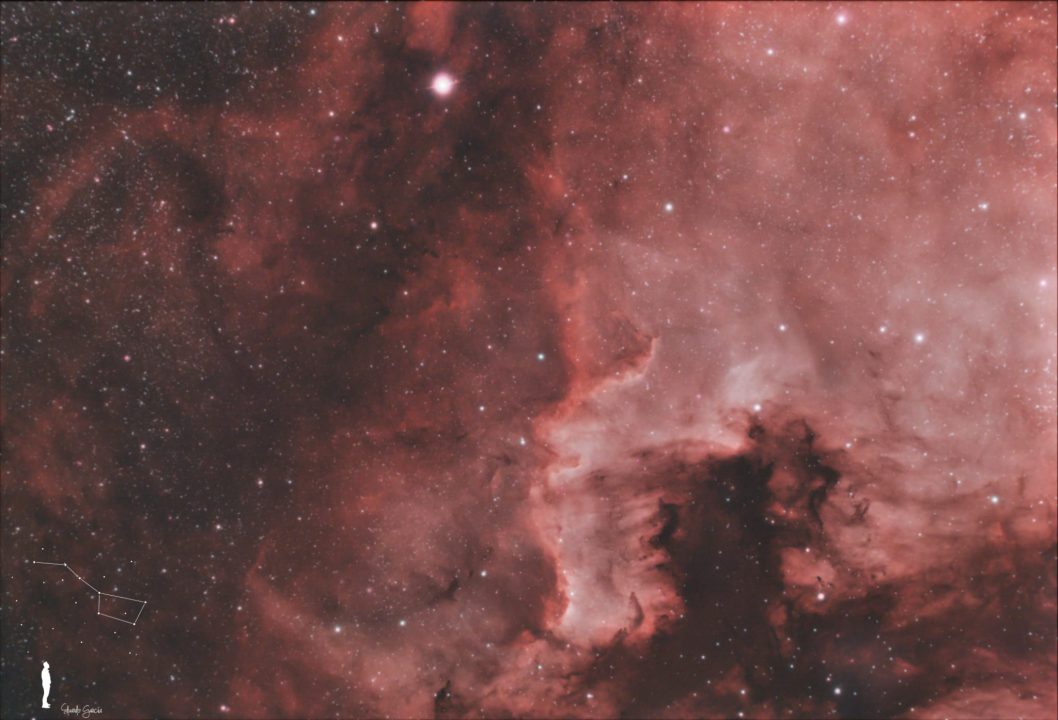
La Palma | Volcanoes, Coast and Landscape
After breakfast we will spend the day exploring some of the island’s most representative landscapes.The day is designed to combine photography, nature, coastal scenery and volcanic geology.
Puerto Naos and the volcanic coastline
We will visit the Puerto Naos area, where we can work with one of the classic visual contrasts of a volcanic island: dark sand, the Atlantic Ocean and subtropical vegetation.The movement of the sea, the textures of the shoreline and the contrast between the dark volcanic coast and the deep blues of the Atlantic offer a wide range of photographic possibilities.
Tajogaite Volcano
We will also visit the surroundings of Tajogaite, formed during the 2021 volcanic eruption that dramatically transformed part of La Palma.Here we will be able to observe recent lava flows and see first-hand how volcanic activity can reshape a landscape in an extraordinarily short period of time.From a photographic point of view, this is an exceptionally young landscape, dominated by the textures, shapes and colours of recently formed volcanic terrain.Afterwards we will enjoy a special lunch at one of the island’s selected restaurants.
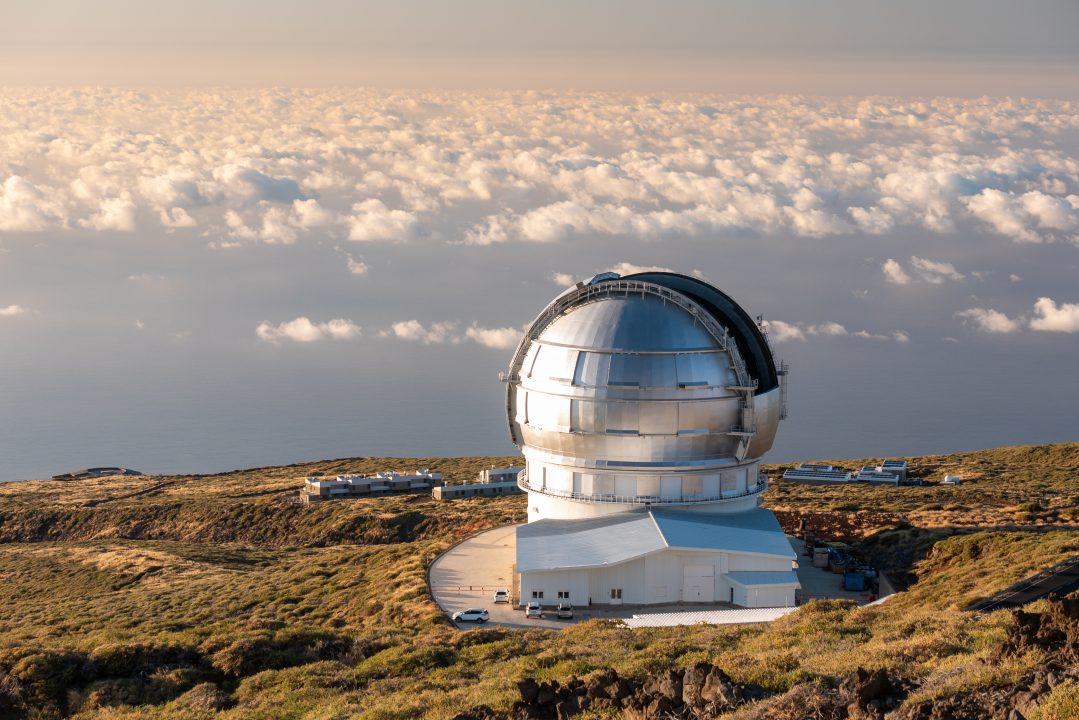
Fuencaliente Lighthouse and Salt Pans
We will continue towards the south of La Palma to photograph one of the island’s most distinctive landscapes.Here, volcanic terrain, lighthouses, salt pans and the Atlantic Ocean come together in a visually rich setting.The geometry of the evaporation pools, the different colours created during the salt-production process, the mounds of salt and the surrounding ocean make this an excellent location for both wide landscape compositions and more minimalist images.
Viewpoints and coastal landscapes
Throughout the day we will also visit selected viewpoints, looking for new perspectives over the coastline, cliffs and volcanic formations.It will be one of the most visually varied days of our stay on La Palma.
JULY 29, 2027
Gran Telescopio Canarias | Final Night Under the Stars
After breakfast we will hold our second technical session dedicated to Milky Way and deep-sky astrophotography.This session will also include a review of selected images from our previous nights.We will analyse composition, technique, exposure and possible improvements, using the experience gained during our sessions in the mountains.Lunch will follow at the H10 Taburiente Playa Hotel.
Visit to Gran Telescopio Canarias
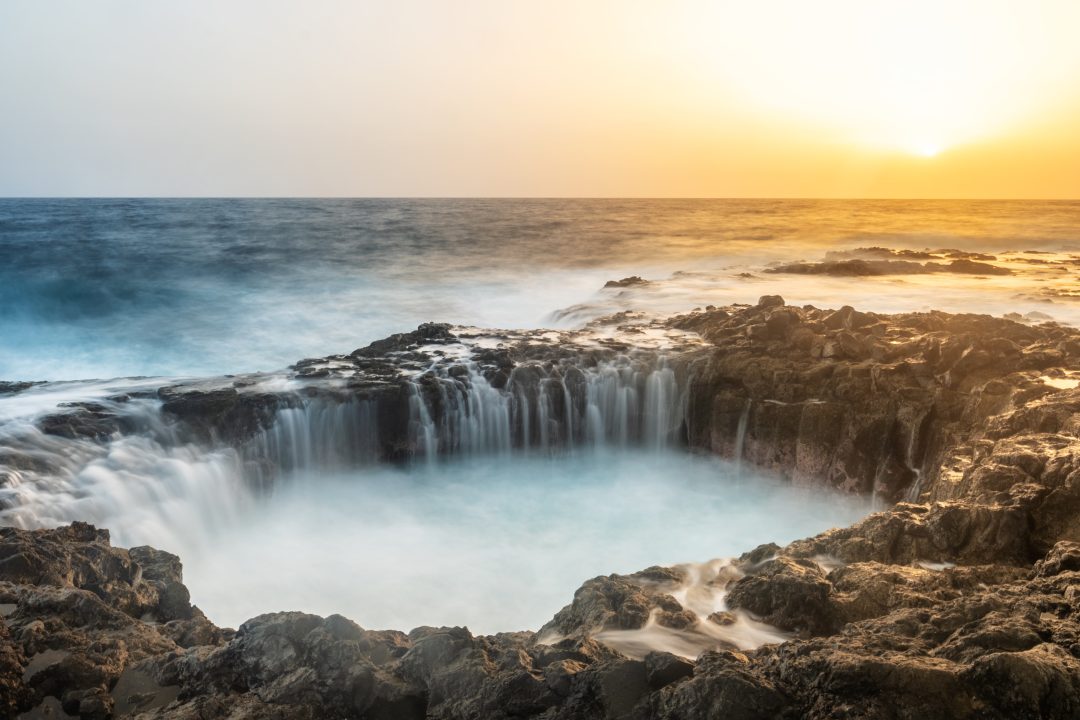
One of the highlights of our stay on La Palma will be a visit to Gran Telescopio Canarias (GTC) at the Roque de los Muchachos Observatory.Seeing an astronomical facility of this scale at close range will give us a deeper understanding of La Palma’s role in international scientific research and provide a completely different perspective on the same night sky we have been photographing.
Final astrophotography session in La Palma
As evening approaches we will return once more to the highlands.This will be our final major night beneath the skies of La Palma and our opportunity to bring together everything we have learned over the previous days.By now we will understand our equipment, the local conditions and our working methods far better, allowing us to concentrate fully on creating our strongest images of the trip.At the end of the night we will return to the hotel.Accommodation and overnight rest.
JULY 30, 2027
La Palma – Madrid – Málaga
After breakfast we will transfer to La Palma Airport for our flight back to Madrid.Arrival in the Spanish capital is expected at approximately 6:30 p.m.A private vehicle will be waiting to transfer us from the airport to Madrid’s Atocha railway station.From there we will continue by train to Málaga.Upon arrival on the Costa del Sol, we will transfer to our hotel in Torremolinos.
BlueSea Al Andalus ****
Dinner, accommodation and overnight rest.
JULY 31, 2027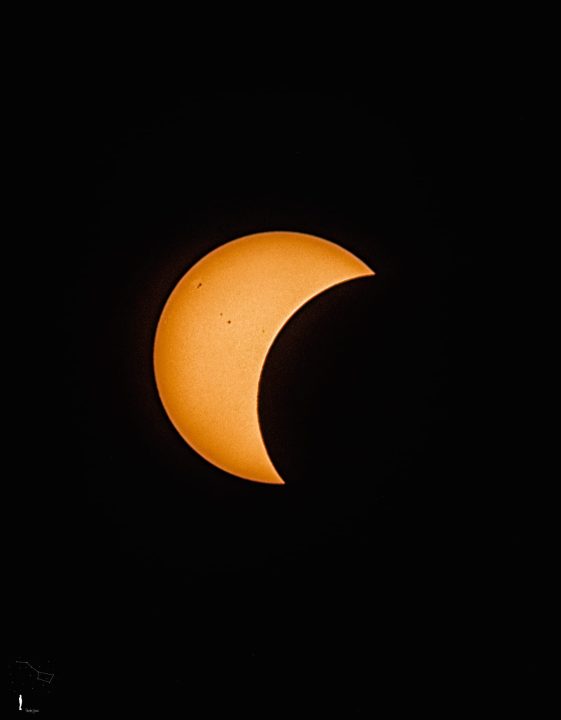
Technical Preparation for the Eclipse
The expedition now enters a new phase.After several days dedicated to the night sky, we will turn our attention entirely towards the major astronomical event awaiting us on August 2.Following breakfast, we will hold a dedicated technical session at the hotel focusing specifically on total solar eclipse photography.This day will be primarily about logistics, preparation and recovery.We will have time to rest, organize our equipment and carry out a complete review of everything we plan to use during the eclipse.Particular attention will be given to cameras, telephoto lenses, certified solar filters, tripods, remote releases, intervalometers, batteries, memory cards and backup systems.Each participant should be fully familiar with their setup before the full rehearsal the following morning.Our guides will also explain the expected sequence of the eclipse, the different phases and the photographic strategy we will follow.The objective is simple:to arrive on August 2 with the technical decisions already made.Accommodation at the BlueSea Al Andalus ****.
SUNDAY, AUGUST 1, 2027
Full Eclipse Rehearsal & Mediterranean Sunset
Morning — Full rehearsal
During the morning we will travel approximately 45–50 minutes from our hotel to carry out a complete rehearsal under real working conditions.We will set up our equipment exactly as we intend to do during the eclipse.We will test solar filters, focusing, exposure, focal lengths, intervalometers, shooting sequences and every other element that needs to function correctly the following day.This will be a genuine simulation.The goal is to turn our photographic workflow into a familiar routine and avoid making unnecessary technical decisions during the most critical moments of the eclipse.The more we can prepare and automate in advance, the more attention we can devote both to our photography and to experiencing the event itself.After the rehearsal we will return to the hotel for lunch, rest, battery charging and preparation of our landscape photography equipment.
Afternoon — Sohail Castle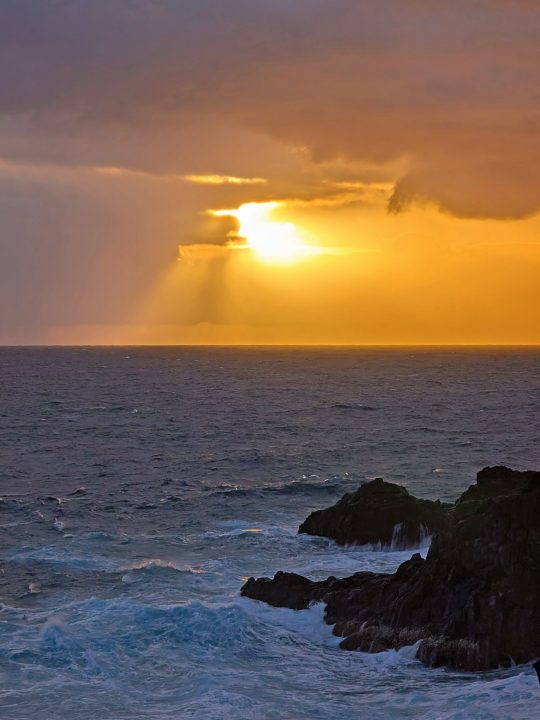
In the afternoon we will travel to the area around Sohail Castle in Fuengirola.Its elevated position close to the Mediterranean provides an attractive setting in which to combine historic architecture, coastline and evening light.We will arrive approximately 90 minutes before sunset, giving us ample time to explore the location and evaluate different compositions.We will work both with wide-angle lenses, incorporating the castle, beach and sky, and with medium and telephoto focal lengths to create simpler and more selective compositions.We will continue photographing through sunset and into the first stages of blue hour.We will then return to the hotel.
BlueSea Al Andalus ****
Accommodation and overnight rest.
MONDAY, AUGUST 2, 2027
TOTAL SOLAR ECLIPSE
The moment around which the entire second part of our expedition has been built has arrived.This will be the central day of the journey.
Departure for the province of Cádiz
We will leave Torremolinos early in the morning and travel towards our selected eclipse observing location.Our site will be located in the province of Cádiz and chosen with particular attention to both its position within the path of totality and the complex logistics expected on eclipse day.Where possible, we will avoid the most congested areas closer to the Strait of Gibraltar and build a substantial safety margin into our travel plans.Our objective will be to reach the selected location before 7:00 a.m.This will give us plenty of time to set up tripods, cameras and tracking systems and to carry out final checks before the sequence begins.On a day like this, arriving early is part of the strategy.
Morning — Total Solar Eclipse
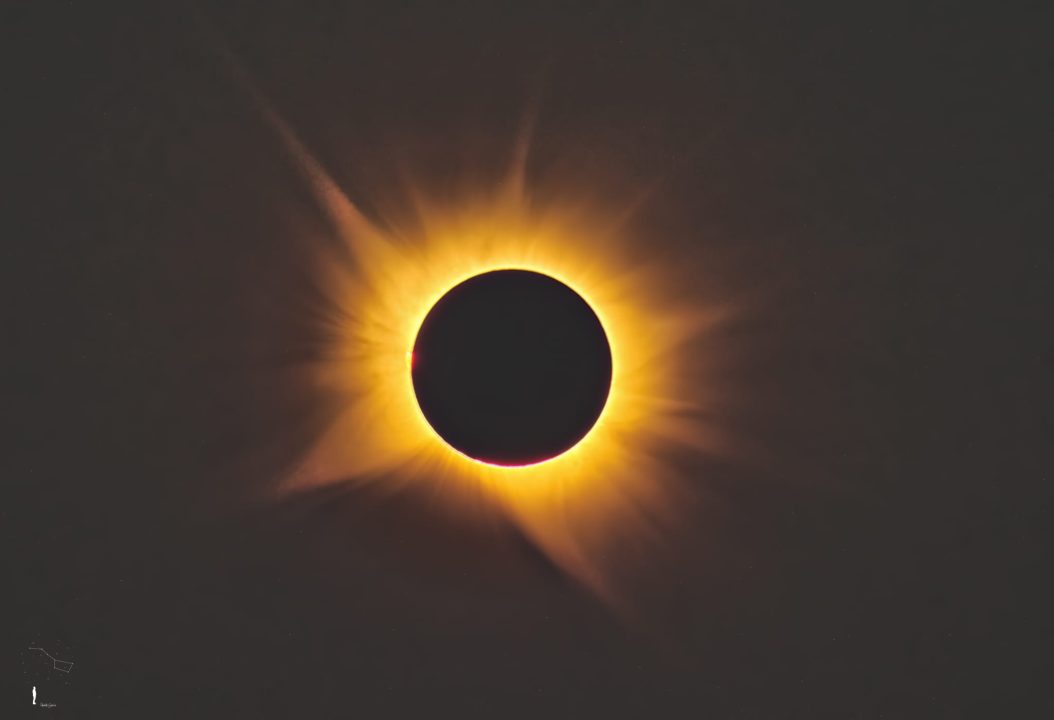
The morning will be devoted entirely to the eclipse.We will photograph the progression of the partial phases as the Moon gradually moves across the solar disc.This will be the moment when all the preparation of the preceding days comes together.Our equipment checks, technical sessions and complete rehearsal will allow us to follow a carefully planned sequence and minimize improvisation during the most important moments.And then totality will arrive.For a few extraordinary minutes, the entire scene will change.Daylight will fall dramatically, the surrounding landscape will take on an unfamiliar appearance and the solar corona will appear around the dark silhouette of the Moon.Our cameras will be ready.But we also want every participant to have the opportunity to look away from the viewfinder for a few moments and simply experience the spectacle.Because some photographs can be taken again.A moment like this cannot.After totality we will continue photographing the remaining phases until our eclipse sequence is complete.We will then dismantle the equipment at an unhurried pace and have lunch in the area before beginning our return journey towards the Costa del Sol.
Afternoon — Artola Dunes
After the intensity of the morning, the rhythm will change completely.We will spend the final hours of the day photographing the natural environment of the Artola Dunes.Dunes, vegetation, wooden walkways, beach and the Mediterranean will provide a wide variety of compositional possibilities as the light gradually softens towards sunset.This will be a relaxed landscape session, giving us time to observe how the scenery changes as the shadows lengthen and daylight fades.A fitting photographic conclusion to an extraordinary day.Return to the hotel and overnight rest.
TUESDAY, AUGUST 3, 2027
Optional Sunrise & Departure
For participants who would like to make the most of the final hours of the expedition, we will offer an optional sunrise photography session on the Fuengirola coastline.We will then return to the hotel for breakfast, collect our luggage and prepare for departure.At the scheduled time, private transfers will take participants to Málaga Airport for their onward journeys.Our expedition will come to an end having begun beneath the Milky Way in the volcanic highlands of La Palma and concluded beneath the shadow of the Moon during a total solar eclipse.
Camera setup:
Telescope setup: (Optional)
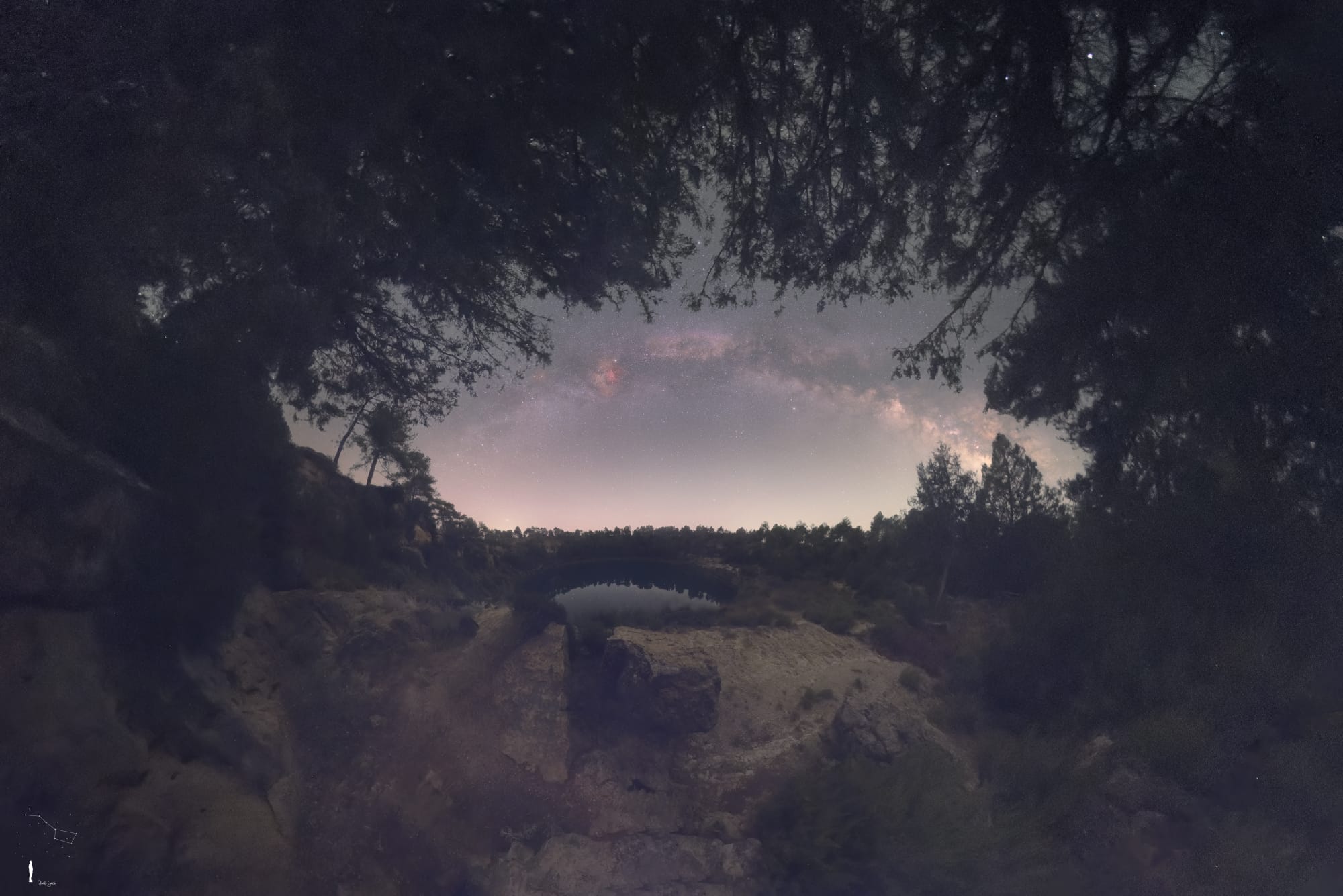
Eduardo García Ballesteros: Light in the Darkness
Have you ever paused to gaze at the night sky and felt part of something vast? That spark is what drives me to venture out and meet the night.
I was born and live in Cuenca, and my passion is revealing the beauty that awaits when the sun goes down.
From curiosity to mastery. My love affair with photography began in my teens, tinkering with film cameras and learning to understand light from the ground up.
But years ago, my perspective shifted decisively when I immersed myself in astrophotography and nightscapes. What started as a self-taught challenge became a way of life: today, I use modified cameras, stock cameras, and telescopes to capture the light of nebulae, distant galaxies, and the majesty of our Milky Way. Cuenca as a grand stage. I have the privilege of living in a true stargazer’s paradise. Cuenca’s clear skies and unique landscapes serve as my primary studio. Here, I seek the perfect balance: fusing precise deep-sky techniques with the emotion of a landscape silhouetted against the stars.
Each image is the result of meticulous planning and a deep connection with nature. An art meant to be shared. To me, a photograph only finds its true meaning when it is shared. That is why my work doesn’t end behind the lens; I dedicate part of my time to teaching what I know about night-sky photography through:
– Workshops and educational meetups: Spaces where learning flows among friends and enthusiasts of astronomy and photography.
– Constant exploration: Always seeking new locations to make the invisible visible.
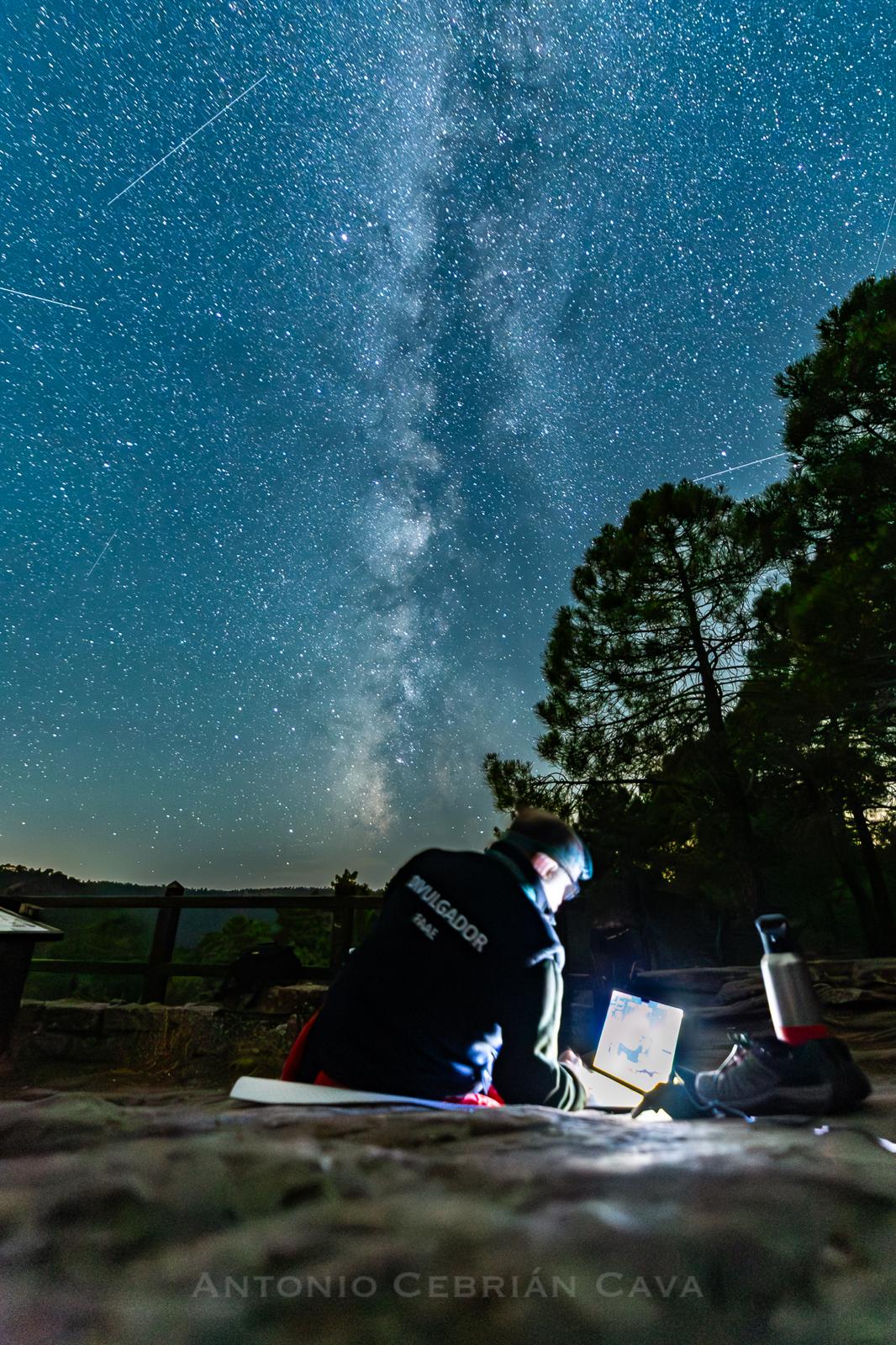
Born in Cuenca in 1973. Night photographer, Starlight Guide, and FAE outreach educator. Member of Astrocuenca.
Passionate about photography in general since the age of 14—starting with an old Kodak—and focused on night photography since 2014.
Works as a 360-degree photographer for the business tourism platform Woow360 in the province of Cuenca and as a freelancer covering various sporting and cultural events.
TRAVEL DOCUMENTS, ENTRY REQUIREMENTS & CONSULAR ADVICE